


Municipalities
History of the Xató Route
Since 1997, the towns of the historic Penedès region have celebrated the Xató Route, which aims to popularize this dish, which is usually consumed from November to April, and to learn about the different variations of the original xató recipe.
The Xató Route is a gastronomic itinerary that links five municipalities around this historical dish. The gastronomy of Alt Penedès, Baix Penedès and Garraf has as a common denominator a seasonal dish, xató. To discover it, we go on a route through the 9 capitals of xató: Vilanova y la Geltrú, El Vendrell, Cunit, Sitges, San Pedro de Ribes, Cubelles, La Bisbal del Penedès, Vilafranca del Penedès and Calafell.
The Xató Route is an experience that goes far beyond good food and drink; it's a gastronomic route closely linked to the wines of the Penedès DO and a dish unique in the world: the flavorful xató, originating from our region. It includes over 200 leisure activities, cultural events, nature excursions, beach outings, wine tourism, shows, festivals, museum visits, hiking trips, tastings, competitions, popular xató festivals, themed getaways, and other activities that will allow you to enjoy yourself as a couple, with your family, or with friends.
A real incentive to start experiencing the Xató Route, where the best restaurants in Vilanova i la Geltrú, El Vendrell, Cunit, Sitges, San Pedro de Ribes, Cubelles, La Bisbal del Penedès, Vilafranca del Penedès and Calafell offer their culinary talent.
History of the Xató
The origin of xató lies in the world of wine. Once the wine was about to be tasted, the cask was opened, a fundamental ceremony in the whole process that consisted of placing a small tap (the tap) that allowed the wine to come out of the container.
This moment marked the beginning of the New Wine Festival, a celebration that was accompanied by a lunch consisting of savory ingredients such as fish, which were found in the homes of local farmers and fishermen, served with leaves of the corresponding winter season vegetables and salad with a special sauce.
This ritual meal, which accompanied the ceremony of lighting the wineskin, is the origin of the modern-day xató. For this reason, the origin of this traditional dish in the Penedès and Garraf regions remains hotly debated. Currently, each of the nine towns has its own variation of the recipe, leading to the popularity of traditional xatonadas, community gatherings where participants enjoy this dish.
The xató
Xató is a light yet intense dish, refreshing yet tasty; traditional and innovative, made with the best products from the sea and the garden, a very healthy dish with all the benefits of the Mediterranean diet.
Ingredients: Crispy endive, mixed with the tender texture of cod and tuna, with the tangy touch of anchovy. All this is bathed in an exquisite sauce made with nuts, dried red peppers, and extra virgin olive oil, among other ingredients. Traditionally, it is served with artichoke, bean, or black sausage omelets and paired with a good Penedès wine.
Xatonadas are the traditional delicacy of the Carnival festivities. They consist of a first course of xató (a salad), a second course of assorted trout, and a dessert of pork crackling cake. This meal reaches its peak on Fat Thursday.
The popular xatonadas, or festivals centered around this dish, distributed throughout the region, are celebrated from November to March, always on Sundays throughout the morning.
1. The first is the Xató Festival of Vilanova
Right at the start of each new season of the Xató Route, which usually falls on the last Sunday of November, the Xató Festival of Vilanova i la Geltrú is celebrated, a unique opportunity to learn about and acquire the products needed to make the authentic Xató de Vilanova.
The Festival aims to further solidify its position as a showcase for Vilanova's gastronomy: its dishes and products within the emblematic setting of the Mercat de Mar. Among the day's events is a competition for xatón masters, for which prior registration is required.

Tren del Centenar de Vilanova i la Geltrú, Vilanova i la Geltrú. Foto: rutadelxato.com
2. Xatonada Popular de El Vendrell
The gastronomic festival is celebrated on the Rambla of El Vendrell, with the Xatonaires Masters Competition and the Children's Xatonaires Exhibition.
Throughout the morning, in the traditional popular distribution of xató and wine, more than 1,000 portions of this dish are sold, accompanied by a glass of wine from the DO Penedès.
On the other hand, there are also entertainment shows, stands related to the world of xató, the Natural and Artisanal Food Products Fair, coffee tastings and the Cava Bottle Cap Meeting.
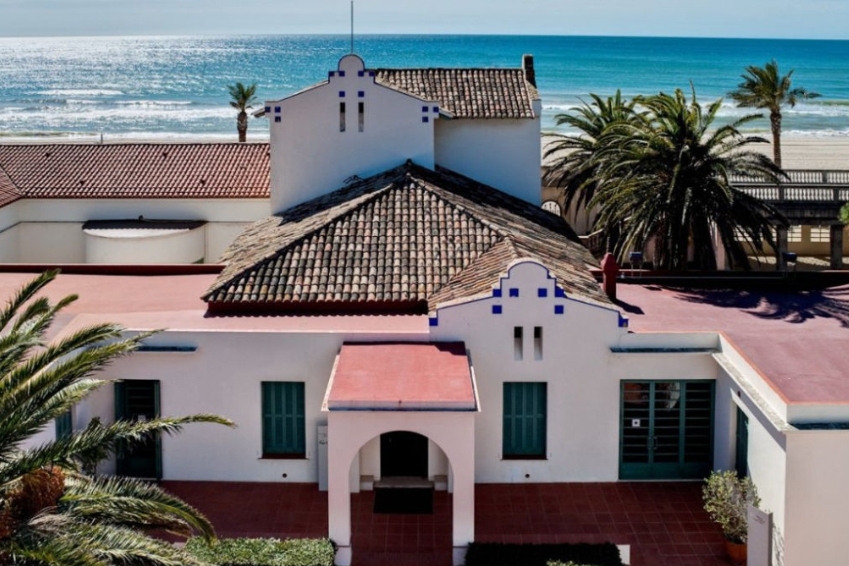
Museu Pau Casals, El Vendrell. Foto: rutadelxato.com
3. Xatonada popular in Cunit
Casal Square, the heart of old Cunit and located directly in front of the Church of San Cristóbal, comes alive with the Xatonada Popular. This celebration, dedicated to one of the most representative dishes of the Baix Penedès region, brings together locals and visitors to share a day filled with tradition and good food.
Throughout the morning, the square transforms into a space where everyone can learn to prepare an excellent xató through a workshop open to the public. In addition, local producers will showcase some of their finest products, inviting everyone to discover the fresh, high-quality ingredients that make this dish a true delight.
Children's entertainment and background music will fill the space with a festive atmosphere for all ages. And, of course, there will be a tasting of the star of the day: xató de Cunit. Accompanied by a good wine from the Penedès region, it will be available at an affordable price so everyone can enjoy it.

Mas Sant Antoni, Cunit. Foto: rutadelxato.com
4. Sitges Xató Week
Xató is the star dish of Carnival, and Sitges celebrates it all week long to enjoy a proper Carnival. Because, as everyone knows, and as tradition dictates, a good Xató is a must on the Carnival table!
The Sitges Carnival is considered one of the top 10 in the world. It's the biggest event on the city's calendar, starting on Fat Thursday and ending on Ash Wednesday. The two busiest days are Sunday and Tuesday, with the children's and adult parades, which attract over 2,000 participants each year.
Xató is the star dish on the table during the Sitges Carnival, which can be tasted throughout the week in the restaurants of the Xató Route. The delicious xató salad is always accompanied by various tortillas (with egg sausage, beans, artichoke, etc.), to finish with a delicious chicharrones cake.
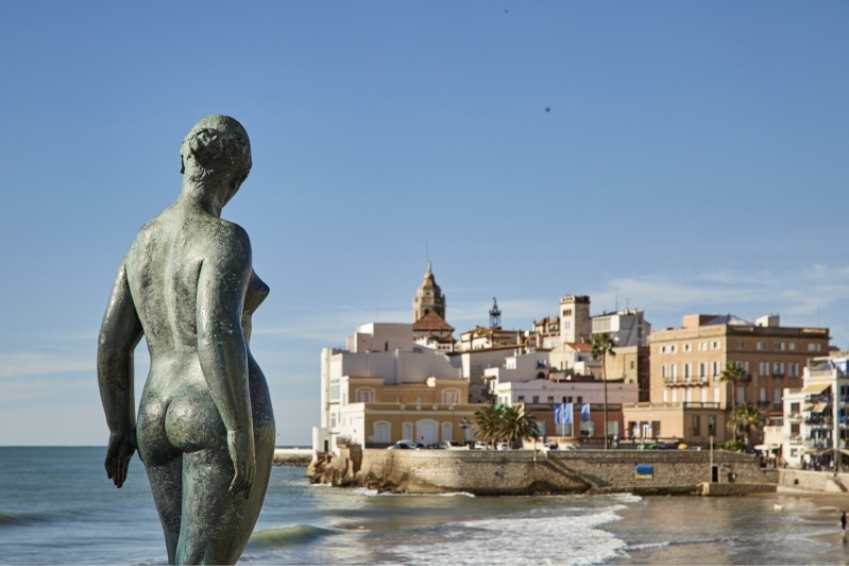
La Dona Mediterrània de Sitges, Sitges. Foto: rutadelxato.com
5. Xató Week in Sant Pere de Ribes
In Sant Pere de Ribes, restaurants accredited by the Xató Route offer xató menus, featuring the most emblematic dish during Carnival week. We recommend taking advantage of your visit to explore its medieval center, declared a cultural asset of national interest, including the Vella Church and the Castle, also known as Sota-Ribes due to its location on the banks or riverbanks, the origin of its name.
During the 18th and 19th centuries , houses and buildings in the Indian style were built by those who emigrated to Cuba with the aim of making money, known as "Indianos", who returned home a few years later.

Castell de Ribes, Sant Pere de Ribes. Foto: rutadelxato.com
6. Popular Xatonada of Cubelles
Don't miss a new edition of the popular Xatonada in Cubelles, with the Children's and Adult Xatona Masters Competition and many more surprises!
Cubelles is a charming coastal town in the Garraf region, open to the Mediterranean with tranquil beaches like Salinas and Gaviotas. Its natural treasure is the mouth of the Foix River, a wetland area where native birds can be observed.
Also noteworthy is the heritage, including the castle of the Marquises of Alfarràs, with its exhibition dedicated to the international clown Charlie Rivel, and Can Travé, with its gardens and history. Strolling through the old town, enjoying nature trails, and savoring seafood dishes like burnt garlic make Cubelles an authentic and charming place.

Exposició dedicada al pallasso internacional Charlie Rivel, Cubelles. Foto: rutadelxato.com
7. Popular Xatonada of the Bisbal del Penedès
At the beginning of March, Bisbal del Penedès celebrates its Xatonada Popular, a festival where you can taste the best xató in the area.
This town is renowned for its quality olive oil, bearing the Torclum seal, which offers olive oil tourism experiences, from a tour of the olive groves to tastings that will allow you to discover the essence and quality of authentic virgin olive oil.
To complete the experience, book a surfboard at one of the Visit restaurants along the Xató Route and, when you're finished, let yourself be surprised by the murals that decorate the streets of La Bisbal del Penedès, a cultural route that combines art, tradition and gastronomy.

Vista poble, La Bisbal del Penèdes. Foto: rutadelxato.com
8. Xató Festival of Vilafranca del Penedès
The Xató Festival of Vilafranca is celebrated on the Rambla Sant Francesc, a unique opportunity to taste the different xató recipes that are made in the towns that make up the Xató Route, and to get to know the authentic xató of Vilafranca del Penedès up close, enjoying a wide range of this wide range.
During the morning, a children's workshop on making xató (a traditional Basque potato dish) will be held alongside the traditional market of crafts, antiques, and paintings. Children's entertainment will be provided so that all the children attending the festival can dance non-stop.
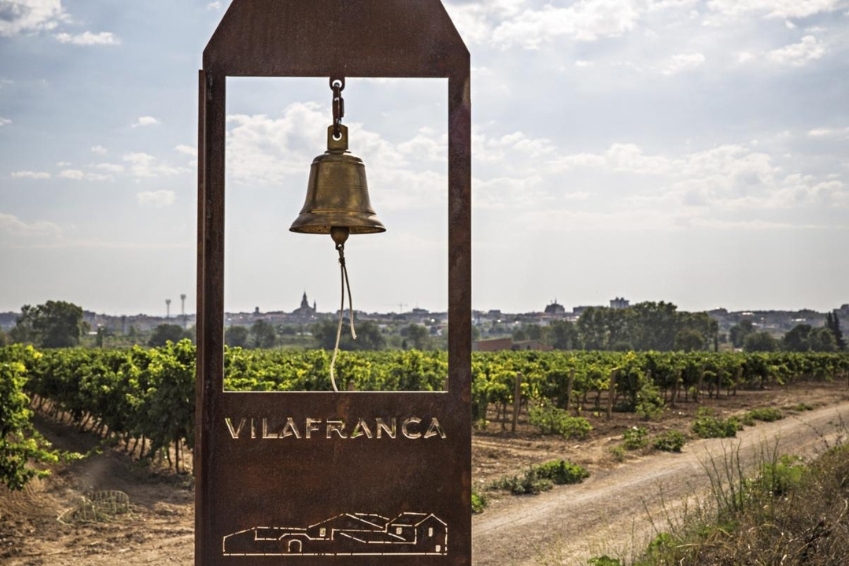
Camí del Vi de Vilafranca del Penedès. Foto: rutadelxato.com
9. Xatonada Popular de Calafell
At this event, which takes place in mid-March , around 800 portions of xató are usually sold at a popular price, including bread, xató and wine from the Penedès DO, by the restaurants in the municipality that are part of the Xató Route.
Around midday there is a children's xató workshop run by students from the municipality's schools and open to anyone who wants to join, always directed by the Xató Masters of Calafell.
Throughout the morning you can stroll through the artisan food fair and the traditional cava bottle cap gathering.
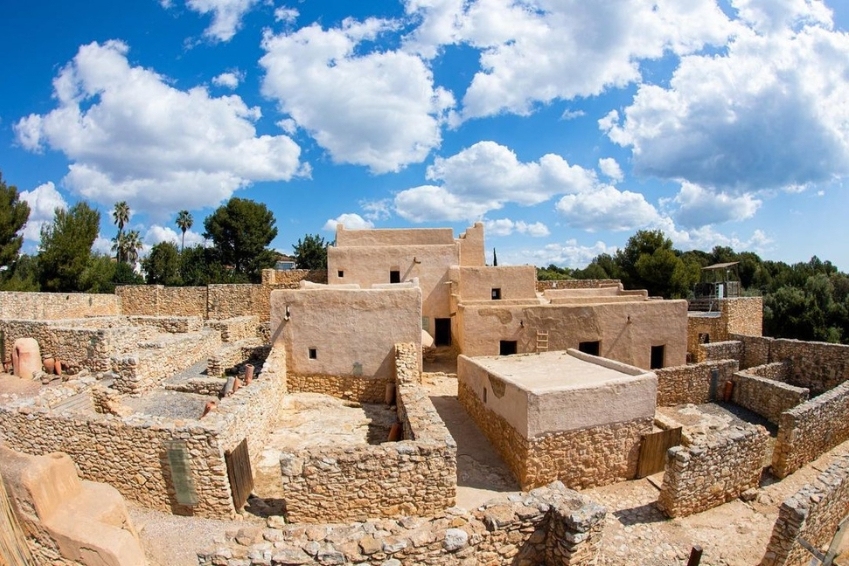
Ciutadella Ibèrica de Calafell. Foto: rutadelxato.com
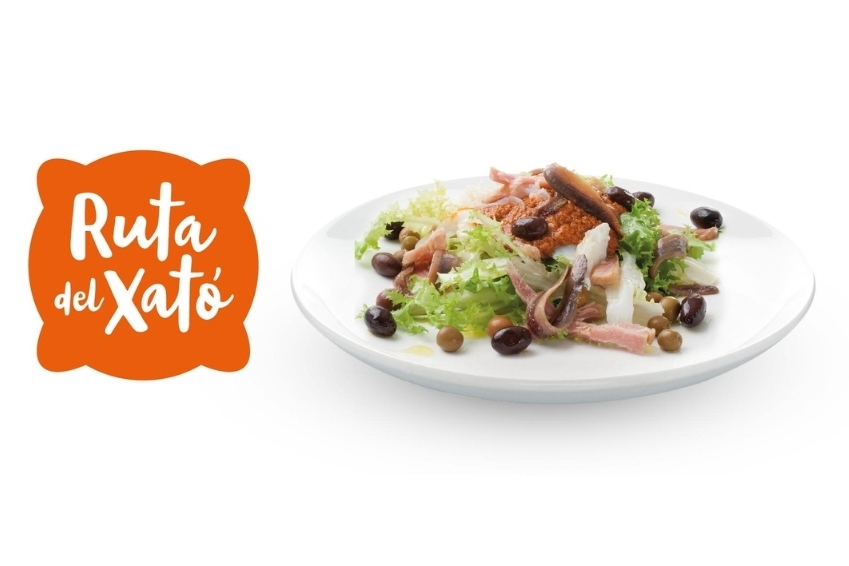
La Ruta del Xató. Foto: rutadelxato.com

Nearby experiences
Nearby routes
La Morella from Garraf beach
Sitges
La Morella is the culminating point of this calcareous massif on the Catalan coast. Despite being a summit of modest height and surrounded by a fairly barren landscape that has been transformed by humans, it enjoys a great deal of solitude…
On the road through the capitals of Xató
Calafell, Canyelles, Cubelles, Cunit, El Vendrell, Sant Pere de Ribes, Sitges, Vilafranca del Penedès, Vilanova i la Geltrú
Catalonia is a territory that, among many other things, stands out for its gastronomy. Mediterranean cuisine with all its flavors and smells. That is why there are many routes with this theme. In the regions of Alt i Baix Penedès and…
A tour for golf players in Catalonia
Calafell, Caldes de Malavella, El Catllar, Girona, Gualta, Mont-roig del Camp, Pals, Peralada, Puigcerdà, Sant Cugat del Vallès, Sant Julià de Ramis, Santa Cristina d'Aro, Sitges, Tarragona
Golf is a sport that started practicing in the fifteenth century. Its origins come from Scotland, the entertainment that had the Scottish shepherds, who with batons beat pebbles they had to reach a target. In Catalonia the game came later in…
The origin of Carnival
Solsona, Vilanova i la Geltrú
From femturisme we want to encourage you to participate in some of the most traditional carnivals that exist in Catalonia, in which mockery and criticism are the main course of the party. We are talking about the Carnival of Vilanova i la Geltrú…
Events
European Heritage Days in Collbató
16 OctoberAlfaro Year in Sant Andreu de Llavaneres
16 OctoberForest week in Sant Celoni
16 OctoberRACC Costa Dorada Rally in Salou
From 16 to 17 OctoberZim Zam Cassà - Cassà de la Selva Urban Art Festival
From 16 to 17 OctoberEbrencas Letters Days in Amposta
From 16 to 18 OctoberFirauto Balaguer
From 16 to 18 October
News








 Sustainable turism
 Biosphere