


Gelida
The municipality of Gelida is located on the eastern edge of the Alt Penedès region, in a mountainous area at the northern end of the Sierra de Ordal, forming a large valley that has been used since ancient times for cultivation, mainly of grapes used to make wines and cavas with the Penedès Designation of Origin.
The earliest human remains in Gelida date back to the Megalithic and Iberian periods. Remains of settlements from the Roman era have also been discovered.
Currently, the population has several industrial parks, which together with paper production, some small workshops, commerce, services and construction, make up the economic activity of Gelida.
Places of interest
Gelida Castle
The buildings that make up Gelida Castle are the result of numerous architectural interventions carried out over almost a thousand years.
The castle is situated on a rocky spur between the Cantillepa and Sant Miquel streams. Documented since 945, it formed part of the line of fortifications that controlled the Penedès, a border territory where the Catalan counties and Al-Andalus came into contact.
The castle experienced one of its most flourishing periods under the ownership of the Barcelona banker Berenguer Bertran, who acquired it in 1367 and transformed it into a Gothic-style residential palace. Bertran was buried in a beautiful Gothic sarcophagus, still preserved in the church. In 1465, King Peter IV, Constable of Portugal, stayed at the castle for three weeks.
In the 16th century, the castle gradually lost its military and administrative function, which shifted to the Lord's House, located in the town of Gelida. The castle was finally abandoned in the 18th century and has been municipal property since 1968, under the protection of the Friends of the Castle Association.
The castle features an Interpretation Centre offering a variety of cultural services: guided tours, educational activities, the Gelida Modernist Route, and tourist information about the municipality. The castle grounds are open year-round.
Gelida Castle Interpretation Centre
Events
MARIDA'm: The secrets of two liquid golds of Catalonia, Sant Sadurní
17 OctoberMoaré Terrassa Festival
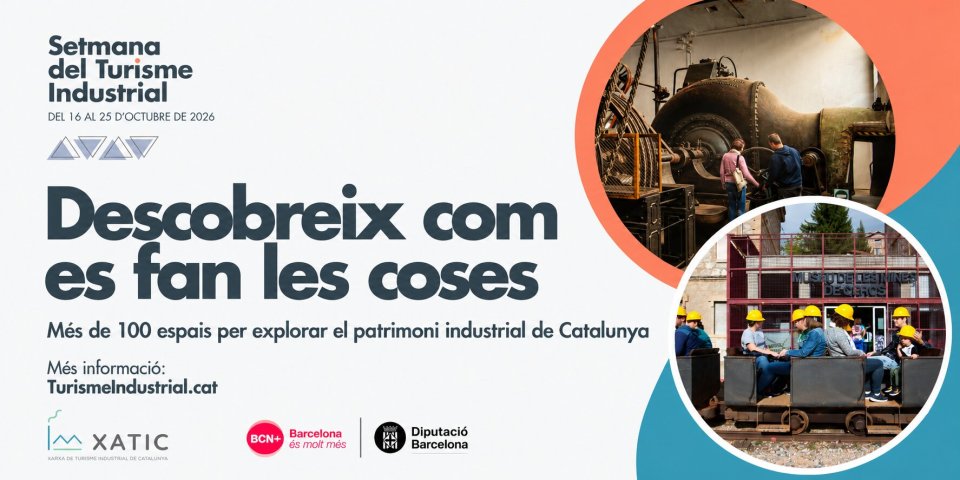
From 16 to 18 OctoberCatalonia Industrial Tourism Week 2026
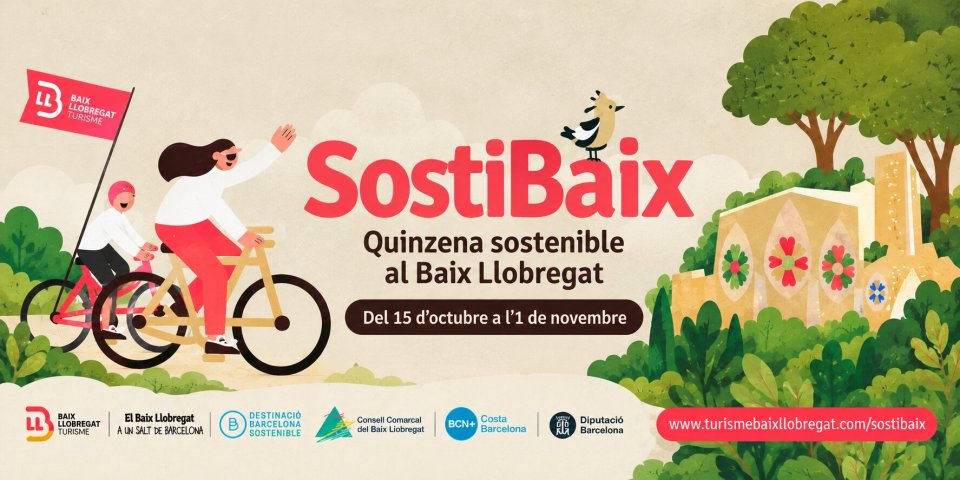
From 16 to 25 OctoberSostibaix, the sustainable fortnight of Baix Llobregat
From 15 October to 1 NovemberPanoràmic Festival in Granollers, Barcelona, Terrassa and Vic
From 15 October to 27 DecemberPiera International Music Festival and Els Hostalets de Pierola
18 OctoberCrossing of the Three Hermitages of Olesa de Montserrat
25 OctoberOpen doors at the Cava Centre, Sant Sadurní d'Anoia
1 NovemberMototerra in Els Hostalets de Pierola
1 NovemberMost, International Wine Film Festival in Penedès and Priorat
From 5 to 15 NovemberTerror Molins, Molins de Rei Horror Film Festival
From 6 to 15 NovemberNearby routes
150 years of the railway from Tarragona to Martorell
Path of the natural parks
Modernism in Vilafranca del Penedès
The battles of 1714
Fairs, cowherd boys, games and theater to celebrate Christmas
The river road in the Alt Penedès
Slow Bike Route - Penedès 360
Grand Tour de Catalunya - Section 1. Vineyards with taste in the sea: from Barcelona to Tarragona
Monumental trees of Catalonia
Route through the Sierra de las Torretes and the Castillo de Rosanes








 Sustainable turism
 Biosphere