


Habaneras in Catalonia: the soundtrack of summer nights by the sea
There are sounds that, just by hearing them, transport us to another world. A guitar marking the rhythm, three voices intertwining, the murmur of the crowd, the smell of salt air, and nearby, a pot of flaming rum igniting the night. Habaneras are much more than folk songs; they are a way of experiencing summer in Catalonia, especially in the fishing villages, where this genre has become one of the most anticipated moments of many local festivals.
Where do habaneras come from?
The name itself gives us a clear clue: habanera comes from Havana. This musical genre emerged in Cuba in the first half of the 19th century as a dance and song with a moderate tempo and duple meter, also known in some contexts as the Creole contradanza. Over time, these melodies traveled to the Iberian Peninsula and took firm root in different parts of the coast, especially in Catalonia, where they became associated with the tavern atmosphere, sailors, fishermen, and the memory of a world of back-and-forth between the Mediterranean and the Caribbean.
Interestingly, habaneras weren't originally intended solely to be listened to. In Cuba, the contradanza was a ballroom dance, performed for the audience to dance along to; today, however, when we talk about habaneras in Catalonia, we think primarily of them sung outdoors, often by the sea, with the audience sitting in silence until it's time to sing the most well-known refrains.
This transformation is part of their charm. Habaneras retain a tropical aroma, but in Catalonia they have taken on a character of their own: more maritime, more nostalgic, and deeply popular. They speak of distant loves, ships, taverns, soldiers, lost islands, and memories that seem to arrive on the breeze. They are simple songs, but they possess the power of things that are passed down from generation to generation.
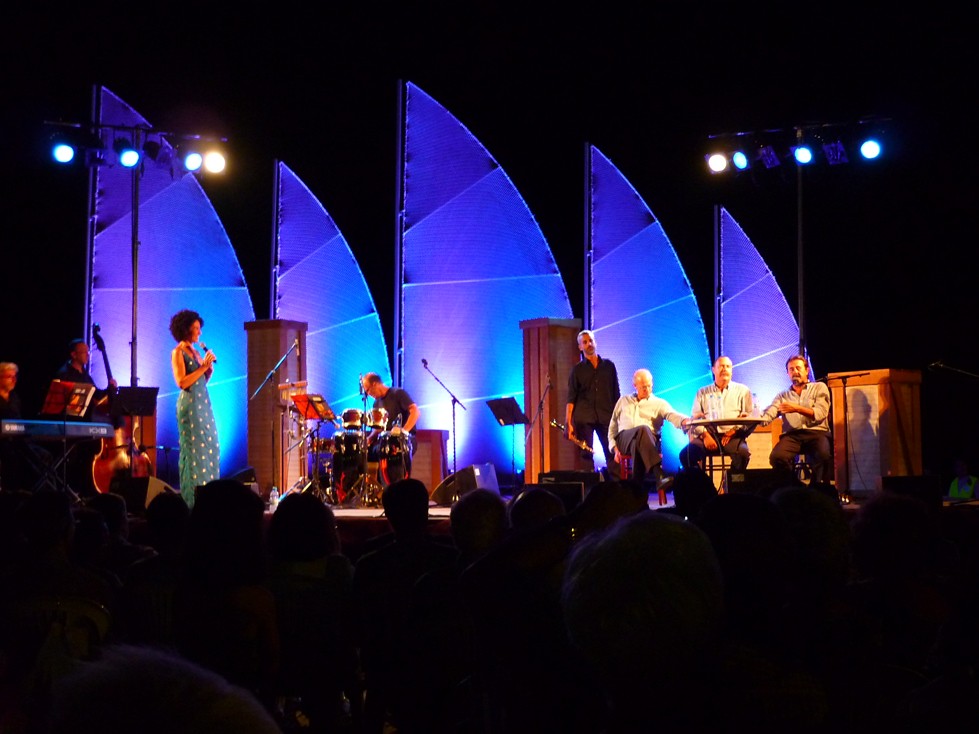
Calella de Palafrugell, the great temple of habaneras
If there is one event that symbolizes this world, it is the Habanera Singing Festival of Calella de Palafrugell. Its origins date back to 1966, when a gathering of singers at the Can Batlle tavern in Plaça del Port Bo accompanied the presentation of the book "Calella de Palafrugell and the Habaneras." That event, which could have remained a one-off meeting of lovers of the genre, was so well received that it ended up becoming one of the major cultural events of the Catalan summer.
Today, Calella de Palafrugell is synonymous with habaneras. Port Bo beach transforms into a unique stage, with its boats, white domes, dark sea, and thousands of people ready to be swept away by the voices of the invited groups. The festival began in 1966 and remains a benchmark for the genre, with its own program and activities centered around tavern music.
It is also here that one of the most emblematic names of the genre was born: the group Port Bo. Formed in 1966 in Calella de Palafrugell, it was created precisely for the presentation of the book that gave rise to the song, and its first trio consisted of Josep Xicoira, Carles Mir, and Ernest Morató. Their trajectory has been key to keeping the classic repertoire alive and taking habaneras beyond the taverns and coastal squares.
Other essential songs in Catalonia
Although Calella de Palafrugell is the most well-known, the map of habaneras in Catalonia is much broader. Palamós hosts the Catalan Habanera Festival, an event that celebrates the habanera and the tavern song with its own unique style, featuring all songs performed in Catalan. It's a particularly recommended event for those who wish to listen to the genre at leisure, with an attentive audience and an atmosphere deeply connected to the town's maritime tradition.
Begur also has a strong connection to this world. The town celebrates habanera singing both in the town center and on Sa Riera beach, and the traditional rum flaming is a staple at both events. Furthermore, its Indianos Fair commemorates the historical link with Cuba and the legacy of the "Americanos," those Begur residents who emigrated to the island in the 19th century and, upon their return, left a visible mark on the local architecture and culture.
From north to south, many towns along the Catalan coast organize summer singing events. Some are huge; others, more intimate. But they all share the same essence: an evening under the open sky, voices echoing by the sea, and that feeling that the music is part of the landscape.
Burnt rum, guitar, and emotion
No habanera serenade would be complete without rum flamingo. This drink, so closely associated with seaside gatherings, is traditionally prepared with rum, coffee beans, sugar, lemon peel, and spices like cinnamon, all heated and flambéed in a clay pot. The result is an aromatic, sweet, and festive beverage, usually served hot while music fills the night.
Burnt rum is not just a food accompaniment: it's part of the ritual. The fire, the aroma of coffee and cinnamon, the sound of guitars, and the proximity of the sea create an unforgettable atmosphere. That's why attending a habanera singing session is much more than going to a concert. It's experiencing a shared tradition, an event that combines music, history, scenery, and community.
Habaneras remain alive because they connect with very simple and universal emotions: longing, travel, memory, love, and a sense of belonging. They have the feel of an old song, but every summer they are heard again, quite renewed. And when the audience joins in, when the voices blend and the night seems to stand still, you understand why these melodies have become one of Catalonia's most beloved soundtracks.
For visitors, discovering a habanera serenade is a wonderful way to experience the most authentic maritime Catalonia. Simply choose the town, arrive early, find a good spot, and let the music do the rest. Between the sea, the voices, and the rum, the habaneras transform any summer night into an unforgettable memory.
Published by Youssef Haouriqui on 21 of september of 2026 at 14:12h

Events
Amateur Theatre Showcase in Sant Gregori
16 OctoberEuropean Heritage Days in Collbató
16 OctoberAlfaro Year in Sant Andreu de Llavaneres
16 OctoberRACC Costa Dorada Rally in Salou
From 16 to 17 OctoberZim Zam Cassà - Cassà de la Selva Urban Art Festival
From 16 to 17 OctoberSitges - International Fantastic Film Festival of Catalonia
From 8 to 18 OctoberMajor Festival of the Aplec del Remei in Santa Maria de Palautordera
From 15 to 18 October
Experiences







 Sustainable turism
 Biosphere