


Romanesque architecture: the origin of medieval Catalonia
Romanesque architecture is one of the cornerstones of Catalan heritage. Present throughout the territory, especially in rural and mountainous areas, this architectural style speaks to a foundational moment in history: the medieval period, when villages, roads, monasteries, and ways of life were established that still define the landscape today.
In Catalonia, Romanesque architecture is not just an artistic style, but a way of understanding the land. Churches, monasteries, and hermitages blend seamlessly into their surroundings, becoming visual and spiritual landmarks that connect history, nature, and identity.
What defines Romanesque architecture?
Romanesque architecture developed primarily between the 11th and 12th centuries. It is characterized by solid and austere constructions, with thick walls, few openings, and a clear intention of permanence. Romanesque churches typically have a basilica floor plan, a semicircular apse, barrel vaults, and rounded arches.
The decoration is restrained yet symbolic: sculpted capitals, murals, and reliefs depicting biblical stories for a largely illiterate population. Everything serves a pedagogical and spiritual function, but also a practical one, adapted to the resources and conditions of the time.
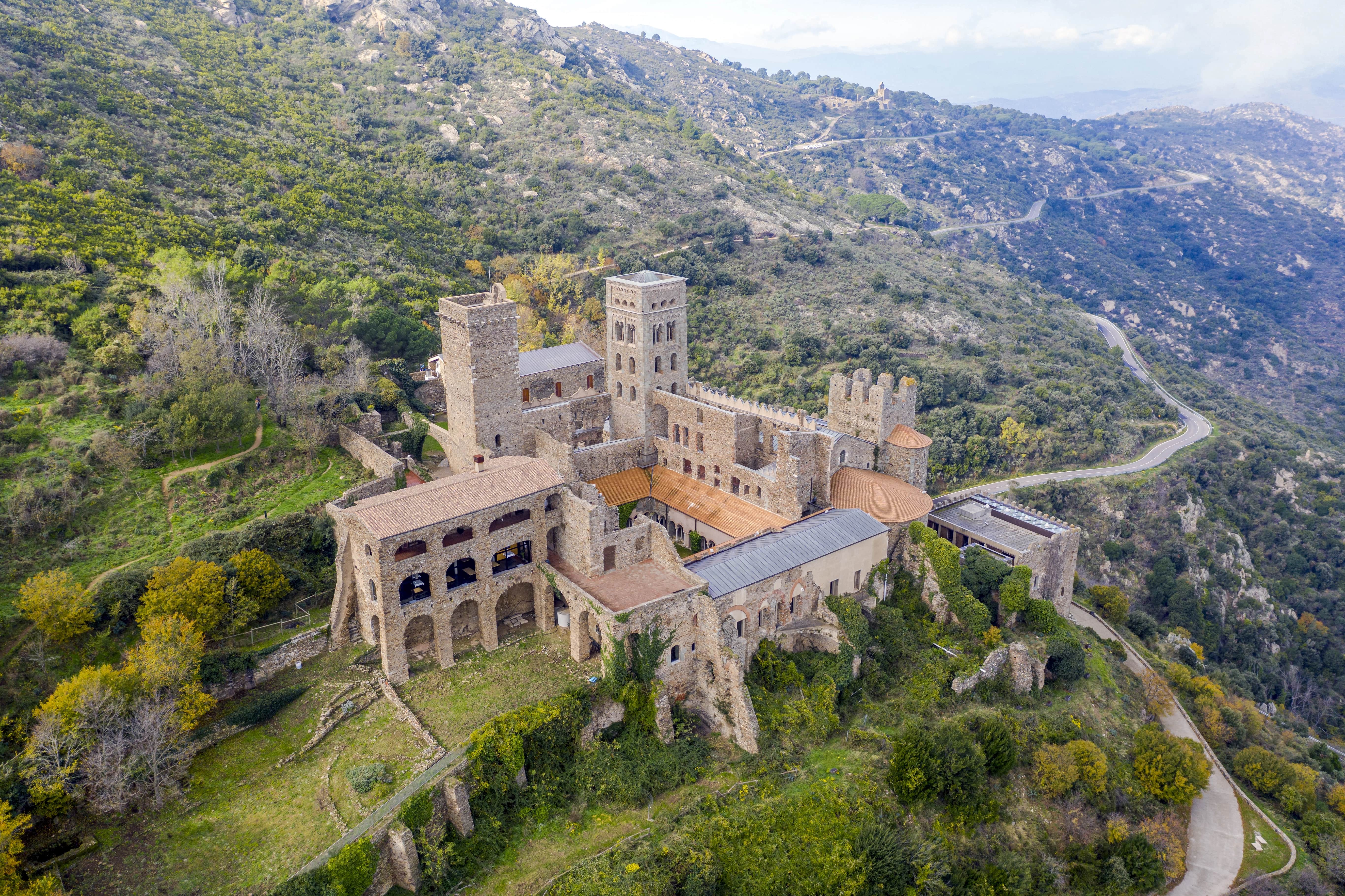
Catalan Romanesque: a style with its own personality
Catalan Romanesque architecture has distinctive features that make it unique within Europe. One of the most prominent is the Lombard influence, visible in elements such as blind arcades and the vertical bands that decorate the apses. This style, sober and elegant, spread mainly throughout the north of the country.
Another key aspect is its strong connection to the land. Many Romanesque buildings are located in elevated or strategic places, often linked to ancient roads, repopulation areas, or territorial control points. This makes visiting Catalan Romanesque sites also a way to discover landscapes, valleys, and villages with a strong sense of character.
Monasteries, churches and valleys that tell of an era
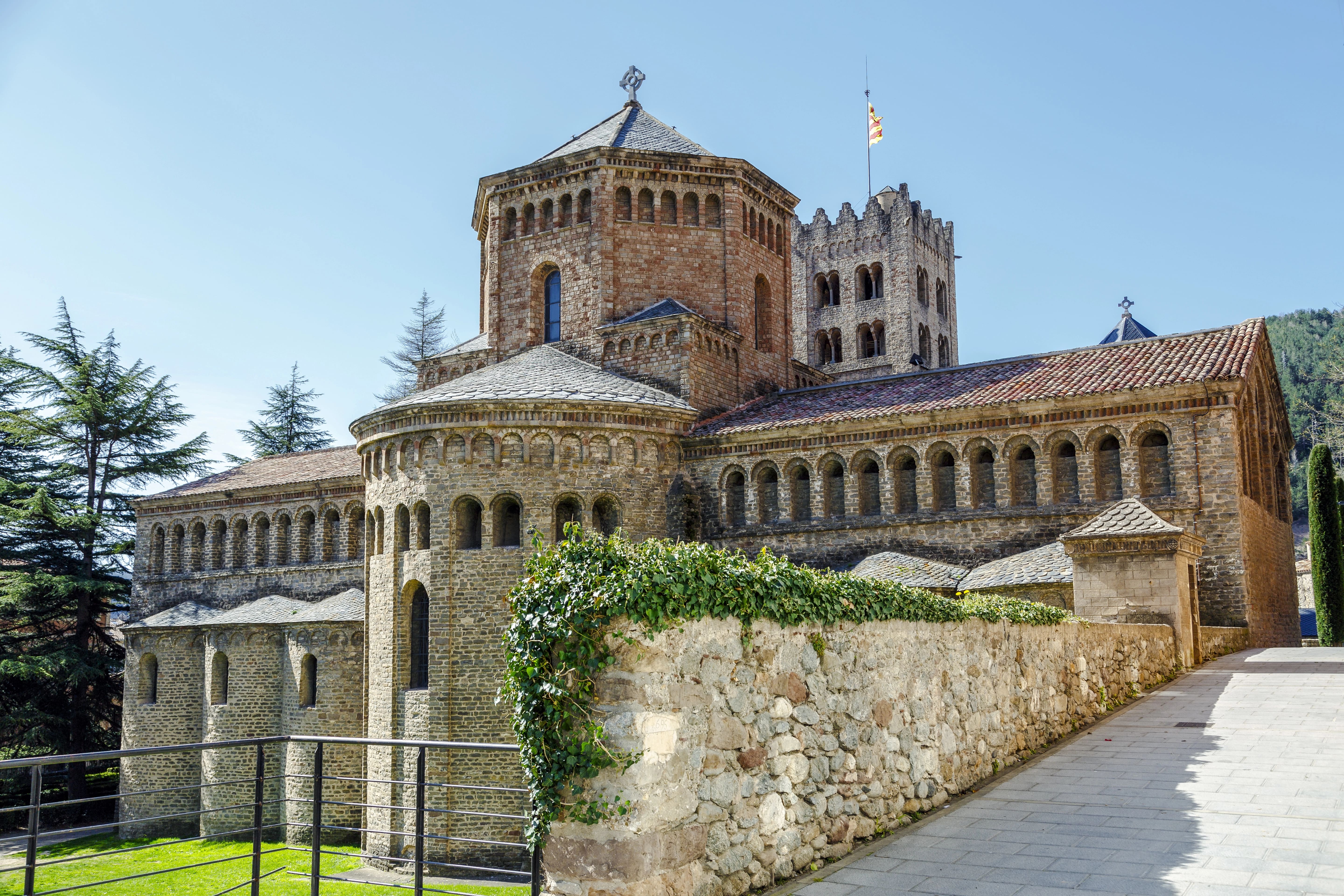
Catalonia preserves some of the most important Romanesque ensembles in southern Europe. The Monastery of Santa Maria de Ripoll, considered one of the cultural cradles of medieval Catalonia, is an emblematic example of monumental Romanesque architecture. Its sculpted portal is a veritable Bible in stone.
In the mountain regions, Romanesque architecture takes on a more human scale, yet is equally captivating. The churches of the Boí Valley, a UNESCO World Heritage Site, are perhaps the best-known example. Small churches like Sant Climent de Taüll and Santa Maria de Taüll combine architecture, mural painting, and the natural surroundings in an exceptional way.
Other territories, such as Empordà, Solsonès, Berguedà or Alt Urgell, are full of small Romanesque gems: rural hermitages, village parishes and monastic remains that invite a leisurely discovery.
Painting, symbolism and spirituality
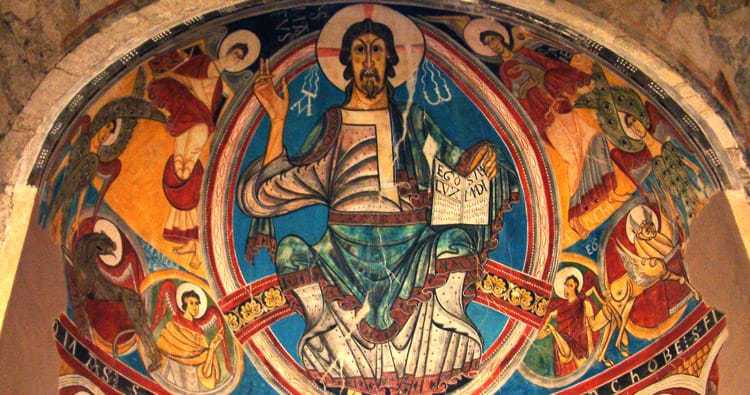
Catalan Romanesque architecture cannot be understood without mural painting. Although many original works are now preserved in museums, such as the MNAC, the buildings still convey that spiritual atmosphere that defined the Romanesque space.
Images of Christ Pantocrator, the apostles, symbolic animals, and biblical scenes formed part of a shared visual language. A language designed to evoke emotion, teach, and reinforce a sense of community.
A living heritage waiting to be discovered today
Today, Catalan Romanesque architecture remains a gateway to the past, but also a valuable tourist and cultural experience. Exploring Romanesque routes, visiting monasteries, or discovering small, hidden churches is a way to experience the region at a relaxed pace, connecting history, landscape, and identity.
Romanesque architecture reminds us of our origins and how the Catalonia we know today began to take shape. Stone by stone, century by century, this style left a profound mark that still invites us to look, listen, and discover.
Published by Oriol Rosselló Gil on 13 of january of 2026 at 10:01h
Events
Forest week in Sant Celoni
16 OctoberAmateur Theatre Showcase in Sant Gregori
16 OctoberEuropean Heritage Days in Collbató
16 OctoberRACC Costa Dorada Rally in Salou
From 16 to 17 OctoberZim Zam Cassà - Cassà de la Selva Urban Art Festival
From 16 to 17 OctoberFira Mediterrània de Manresa 2026
From 15 to 18 OctoberMoaré Terrassa Festival
From 16 to 18 October
Experiences







 Sustainable turism
 Biosphere