


Hotel Molí de la Torre
Municipalities
Using the building of a small 19th century textile factory, built on a 12th century mill, we have created this magnificent rural hotel, which integrates the conservation of the history of its industrial past.
Our terrace, accompanied by the singing of birds and the sound of the river waters passing through the lock, will make you feel in an environment of peace and tranquility.
Ideal for couples, family groups, friends or business groups.
In our country, pets are welcome, so that you do not feel bad when you are separated from them during the days you are with us.
Rooms
We have 12 double rooms with spacious and comfortable showers. The Junior Suite has a hydromassage bathtub.
We also have a room fully adapted for people with reduced mobility.
Companies
We have a meeting room, ideal for events of any kind.
We have:
- A multipurpose room.
- Projector, PC and Wi-Fi network
- Board
- Audio equipment.
- Full catering, cafeteria and event planning services
- Comfortable rooms for 1 or 2 people
- Organizational capacity based on client needs.
The Molí Restaurant
In our restaurant we offer local and seasonal cuisine, and whenever possible we use organic products.
If you are vegan or vegetarian, we have options for you!
Activities
Active tourism
Taking advantage of the magnificent environment that surrounds us, we have a wide range of activities to enjoy and connect with nature.
- Bike rental
- Segway routes
- Hiking trails
- Horseback riding routes
Wellness packs
- Forest Bathing Getaway
- Sound Baths Getaway
Cultural tourism
- Oil experiences at Masia Can Viver
- Excursion to San Miguel del Fai
- Visits and workshops in the Olores park
- Visit to the Summit of Águilas
All this and more at the Hotel Molí de la Torre. We look forward to seeing you there!

Nearby routes
San Sebastián cultural walk in Bigues i Riells
Bigues i Riells del Fai
For San Sebastián, in Bigues i Riells a town vote is celebrated and it is traditional to go up from the Market Square in the Church. For some time now, this route has become a completely familiar and suitable walk for everyone. Are you…
The Coasts of Batlles in Riells del Fai
Bigues i Riells del Fai
The Costas de en Batlles are the coasts of the Cingles de Bertí in the Llobregat torrent valley, in the municipality of Bigues i Riells, in the Vallès Oriental, in the lands of the town of Riells del Fai. They are the lower part…
The route of the 3 mountains
Figaró-Montmany, Monistrol de Montserrat, Montseny, Mura, Rellinars, Sant Feliu de Codines, Sant Llorenç Savall, Tagamanent
The route of the 3 mountains is a journey that takes place on trails that hide Montseny natural parks, and Sant Llorenç del Munt and Montserrat Obac. Hence the reason for its name. This itinerary is a trip to the Catalan littoral which…
Path of the natural parks
Aiguafreda, Canet de Mar, Gelida, Olesa de Montserrat, Rellinars, Sant Celoni, Sant Feliu de Codines, Sant Llorenç Savall, Sitges
Starting and ending on the shores of the Mediterranean, the Sendero de los Parques Naturales (210 km), also known as Sendero de los Miradores, makes an arc towards the interior of the territory, always about 40-50 kilometers from Barcelona…
Masías and Refugees in the Ametlla del Vallès
L'Ametlla del Vallès
This tour is a walk through the most important farmhouses and the history of agriculture in the Ametlla del Vallès, the economic activity that has transformed the territory the most. It also introduces us into the life and personal circumstances…
Summer Modernism in the Ametlla del Vallès
L'Ametlla del Vallès
L'Ametlla del Vallès, located between the valleys of the Congost and the Tenes, had been under the control of the castle of Montbui in its medieval origins. With a rural and dispersed settlement, the central nucleus of the population…
Events
Calders Juga, the board game and role-playing festival of Central Catalonia
17 OctoberOperation Castaween in Món Sant Benet
17 OctoberModernist Conferences in la Garriga
From 16 to 18 OctoberMajor Festival of the Aplec del Remei in Santa Maria de Palautordera
From 15 to 18 OctoberMoaré Terrassa Festival
From 16 to 18 OctoberCatalonia Industrial Tourism Week 2026
From 16 to 25 October'La Moguda Gastronòmica' in Santa Perpètua de Mogoda
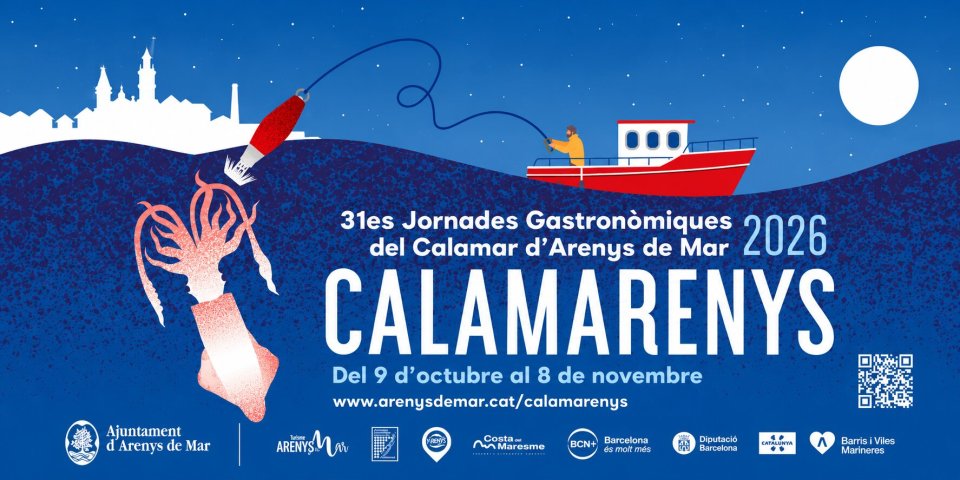
From 9 October to 8 November
News
Gothic Architecture: The light and height of medieval Catalonia
Gothic architecture marks a turning point in the history of Catalonia. It was the style that transformed cities, places of worship, and the way people built collectively. A style that changed not only the stone itself, but also the way people…
Iron architecture: the light and steam of industrial Catalonia
In the 19th century, the Industrial Revolution not only changed the way people worked and lived, but also profoundly transformed architecture. The arrival of new materials, such as cast iron, wrought iron, and glass, opened up possibilities…








 Sustainable turism
 Biosphere