


Behind the mansions of the wealthy emigrants: a story of fortunes and slavery
The "Indianos" houses are part of one of the most unique landscapes of Catalan heritage. These are houses with ornate facades, towers, galleries, and gardens found in towns like Begur, Cadaqués, and Torredembarra, built by people who had gone to the Americas in search of new opportunities and who, after making their fortunes, returned to Catalonia.
This heritage continues to spark interest and is now featured in routes, tours, and traditional festivals celebrating the Indies, offering a glimpse into the history of the towns where it is preserved. But behind these architectural gems lies a much broader story, linked to migrations, trade, relations between Catalonia and its American colonies, and also to the slave-based economy that defined much of the 19th century.
Telling this story doesn't mean reducing the phenomenon of the "Indianos" to a single reality. Their personal trajectories were very diverse, and not everyone who emigrated to America participated directly in the slave trade or the exploitation of enslaved people. But a portion of those fortunes were generated within an economic system that depended on slavery, and this reality forms part of the historical context that allows us to better understand that period.
An economy marked by slavery
During the 18th and 19th centuries, the economies of Cuba and Puerto Rico were deeply tied to plantations, especially the production of sugar, coffee, and other products destined for international markets. This system relied heavily on the labor of enslaved people, transported from Africa as part of the transatlantic slave trade.
Spain legally outlawed the slave trade in 1820, but the prohibition did not bring about its immediate disappearance. Clandestine expeditions continued for decades, especially to Cuba, while slavery as an institution remained legal in the colonies.
In Puerto Rico, slavery was not abolished until 1873. In Cuba, abolition came even later, in 1886. This means that for much of the 19th century, while Catalonia was undergoing a process of industrialization and economic transformation, a colonial system based on the exploitation of enslaved people simultaneously existed.
Historical research has also documented the participation of Catalan merchants in this system. According to historian Josep Maria Fradera, between 1790 and 1820 Catalan ships accounted for at least 146 of the 589 documented Spanish black slave expeditions. After the prohibition, the clandestine trade continued: between 1821 and 1845, some 220 expeditions linked to Catalan ships have been identified.
These data allow us to understand that the relationship between Catalonia and the slave economy was not anecdotal, although participation in the trade cannot be attributed to all Catalan emigrants or merchants.
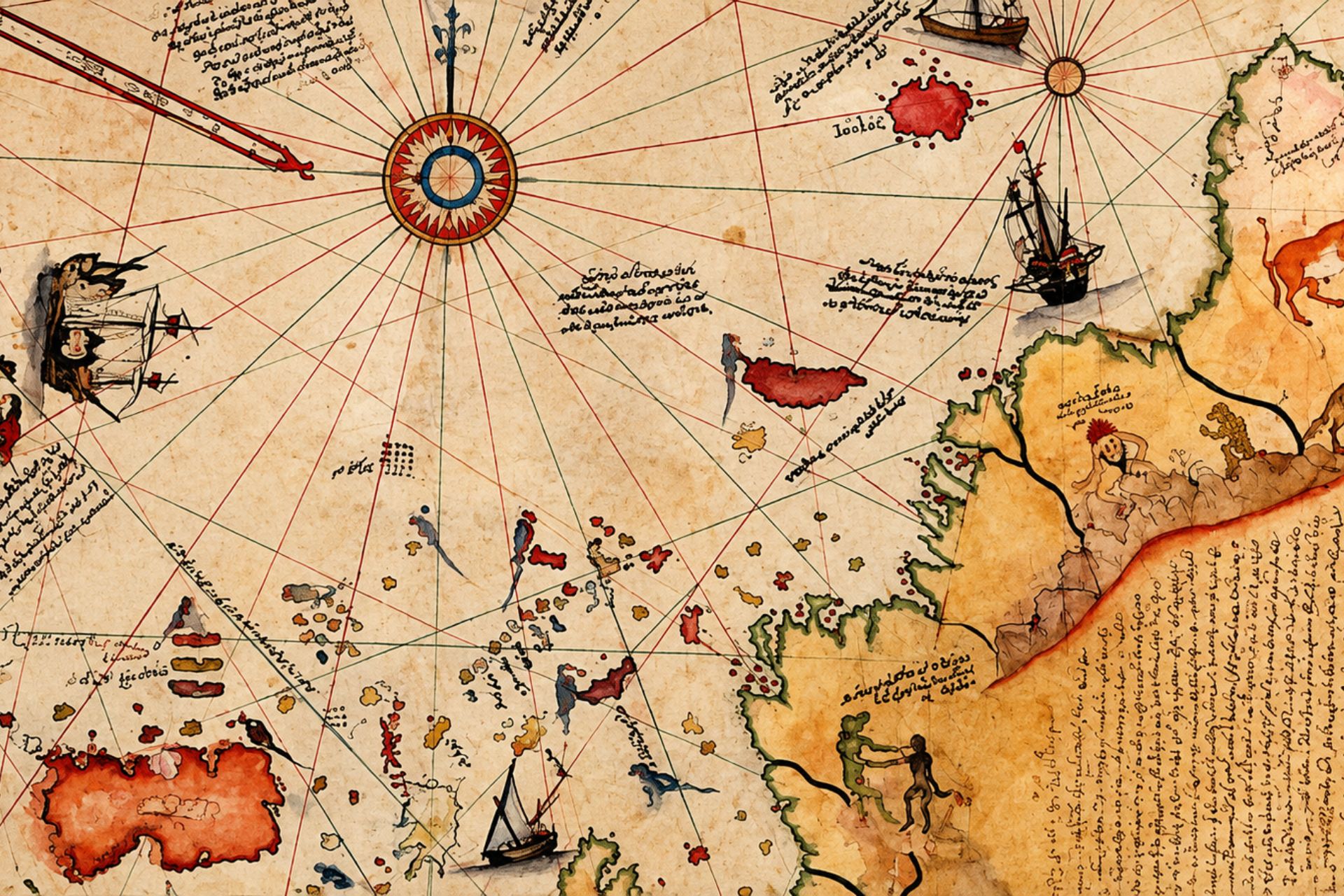
Indianos, merchants and slave traders
The word "indiano" encompasses very diverse realities. It was used to refer, in general, to people who had emigrated to America and who, after developing economic activities, had returned to Catalonia or had invested part of their fortune.
Some went into trade, others started businesses, invested in property, or participated in industrial activities. There were also people who owned plantations where enslaved people worked. And, on a different level, there were those who participated directly in financing, organizing, or developing the slave trade.
This distinction is important because "indiano" and "negrero" are not synonymous. Not all "indianos" participated in the slave trade, nor do all fortunes accumulated in the Americas have the same origin. At the same time, there are documented cases of prominent businessmen and merchants directly linked to that trade.
One of the best-known names is Antonio López y López, a businessman closely linked to Barcelona and later founder of the Compañía Transatlántica and the Banco Hispano Colonial. Historical research has studied his business activities in Cuba and his connection to the slave trade. Another case is that of Julián de Zulueta, Businessman based in Cuba and owner of several plantations, who became one of the main fortunes linked to the Cuban slave economy.
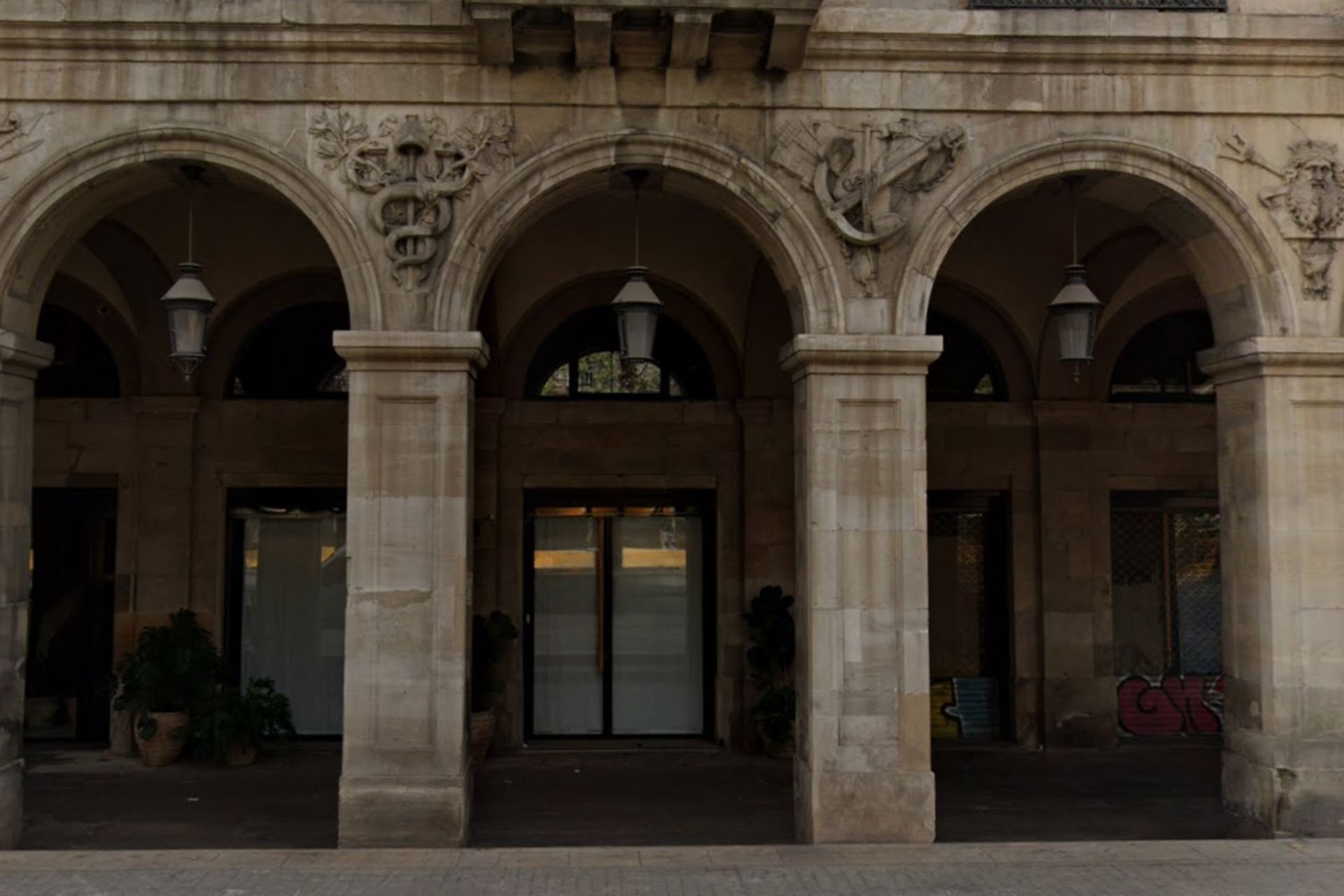
Other figures, such as Josep Xifré, amassed significant fortunes in America and later invested in major architectural projects in Barcelona, such as the Porches de Xifré. Their trajectories illustrate precisely the complexity of this phenomenon and the need to analyze each case within its context.
When fortunes returned to Catalonia
The return of American capital had visible consequences in Catalonia. Part of this economic wealth was invested in housing, buildings, businesses, infrastructure, and industrial projects, contributing to the transformation of towns and cities during the 19th century.
The houses built by returning emigrants are probably the most visible manifestation of this phenomenon. In coastal and inland municipalities, these buildings introduced new architectural styles, gardens, towers, and decorative elements that still form part of the urban landscape today.
But the investments were not limited to residential architecture. Capital from the Americas was also linked to the development of the textile industry, commercial activities, financial institutions, and other sectors that participated in the economic transformation of 19th-century Catalonia.
This explains why the "Indiano" phenomenon cannot be understood simply by looking at the facades of the houses. Behind each building lies a much more extensive network of commercial and economic relationships between Catalonia, the Caribbean, and international markets.
A memory that continues to generate questions
For a long time, the story of the "Indianos" (Spaniards who emigrated to the Americas and returned wealthy) focused primarily on their entrepreneurial spirit, the fortunes they amassed in the Americas, and the wealth they left behind upon their return. The houses, towers, and celebrations built by these "Indianos" have helped to keep this memory alive.
However, in recent decades historical research has delved into another dimension of the phenomenon: where these fortunes came from and what role slavery played in the colonial economy.
This re-evaluation has also reached public spaces. One of the best-known cases is that of the former monument dedicated to Antonio López in Barcelona, removed in 2018 as part of a debate on the memory of the slave trade.
How to explain this past remains a subject of debate among historians, institutions, and society. There are different approaches to preserving this memory, which figures should be included in the narrative, and how to explain individual responsibilities within a much broader economic system.
Looking at heritage in greater context
Understanding this history allows us to approach the heritage of the Indies with a more comprehensive perspective. A house, a tower, or a garden can tell us a great deal about 19th-century architecture and society, but it can also raise questions about how fortunes were built, what economic relationships lay behind them, and which people suffered the consequences.
In Catalonia, the houses built by returning emigrants who made their fortunes in the Americas remain a gateway to this shared past. Visiting them is to discover an important part of the country's history, but also to understand that heritage doesn't always tell a single story.
Historical research allows us to broaden this perspective and incorporate the diverse realities that coexisted during that period. Explaining heritage within its full context is also a way to preserve its memory.
To delve deeper into this issue, there is extensive specialized literature on the relationship between Catalonia, colonialism, and slavery, with researchers such as Josep Maria Fradera, Martín Rodrigo i Alharilla, and Gustau Nerín, among others. Their research allows for a more detailed understanding of a complex chapter in Catalan history and helps to clarify the economic and social connections behind the phenomenon of the "Indianos" (Spaniards who emigrated to the Americas and returned wealthy).
Published by Oriol Rosselló Gil on 28 of september of 2026 at 11:00h

Events
Forest week in Sant Celoni
16 OctoberAmateur Theatre Showcase in Sant Gregori
16 OctoberEuropean Heritage Days in Collbató
16 OctoberRACC Costa Dorada Rally in Salou
From 16 to 17 OctoberZim Zam Cassà - Cassà de la Selva Urban Art Festival
From 16 to 17 OctoberEmbarrats Fair in Sant Joan de Vilatorrada
From 16 to 18 OctoberFish and Rice Gastronomic Days
From 9 to 18 October
Experiences







 Sustainable turism
 Biosphere