


Genís Matabosch: Catalonia under the big top of the circus
There are people who love the circus as one loves an ancient and universal way of seeing the world. Genís Matabosch is one of them. A driving force behind the Elefante de Oro International Circus Festival and the Circusland project, he has dedicated a significant part of his career to dignifying, preserving, and promoting the circus as one of the great performing arts of our time.
With it, Catalonia becomes a track full of memory, heritage and emotion, from Figueres to Besalú, from Montserrat to the coves of Roses, from family memories to the cultural ambition of a European circus museum.
At femturisme.cat, we wanted to find out what Catalonia is like for someone who knows the world so well, what places inspire him and what experiences he considers essential.
A territory of shared memories, landscapes, and wonders
What is your favorite spot in Catalonia?
It's hard to choose just one. There are so many places that fascinate me: the pools of the Brugent River, the Plaça de Sant Felip Neri in Barcelona, the view from the Hermitage of the Sacred Heart in Sant Ferriol, towns like Camprodon, Beget, or Cadaqués, especially out of season, the walk along the city walls of Girona, and the port and beach of Palamós...
There are so many. We live in a beautiful country.
Is there any place in Catalonia that brings back childhood memories?
I was born in Figueres, and its Rambla was the setting for very important events for my grandfather, such as the Drawing and Painting Fair or the Old Book Fair. I always went with him.
The family summer house was in Roses, and we often went to coves like La Pelosa or Jòncols. Setcases also brings back memories, where we sometimes spent a few days; a town that, more than forty years ago, was very different from what it is today.
What Catalan experience or tradition do you think everyone should experience at least once?
As a folklore, everyone should experience at least once the dance of the little horses of Sant Feliu de Pallerols, the beautiful village of my great-grandparents.
And in terms of food, there have always been great cooks at home: my grandmother and now my mother. Of the dishes they've cooked, I'd highlight some from the Empordà region, such as stuffed apples, sweet sausage, or Santa Teresa toast.
If you had to recommend just one thing to someone visiting Catalonia for the first time, what would it be?
Montserrat. To truly understand Catalonia, I think it's essential. And you never get tired of it: there are a thousand Montserrats in one. The hiking trails, the Holy Cave, the monastery inside and out, the exceptional museum collection… It's the place that, personally, I think best speaks to the essence of our people.
What corner of Catalonia have you yet to discover?
I would like to visit Món Sant Benet. I think the Catalunya La Pedrera Foundation has done a great job and I'm sure I could learn some interesting things.
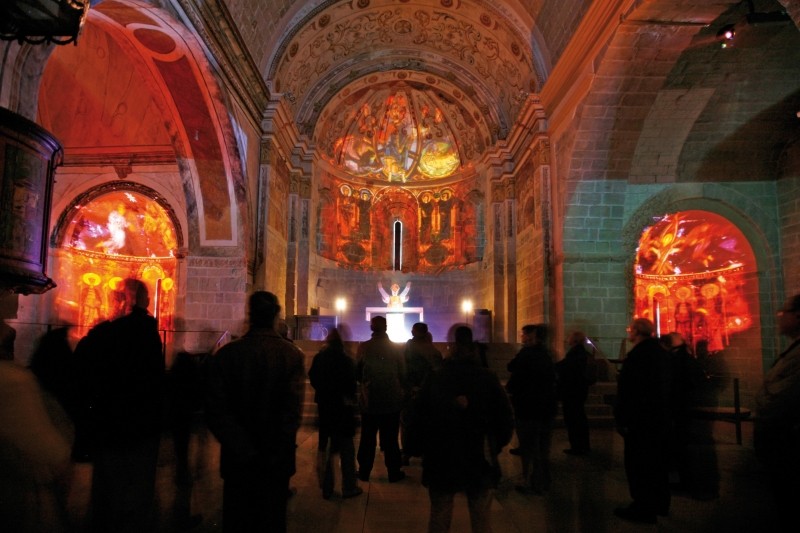
Circusland, our European circus museum project, occupies part of a Benedictine abbey in Besalú, which we are rigorously restoring and making compatible with the current needs of a space open to the public.
How did the idea of creating the Golden Elephant International Circus Festival come about?
In 1974, Prince Rainier of Monaco created the world's first circus festival to revitalize a struggling industry. Following this model, others were established, and today there are around twenty worldwide. These festivals serve as meeting points that celebrate the circus, featuring a selection of top-tier artists, and become showcases that elevate this art form.
In our country, there's still a long way to go before the circus receives the social and cultural recognition it deserves. I believed that hosting an event like this here would do wonders for the world I love most.
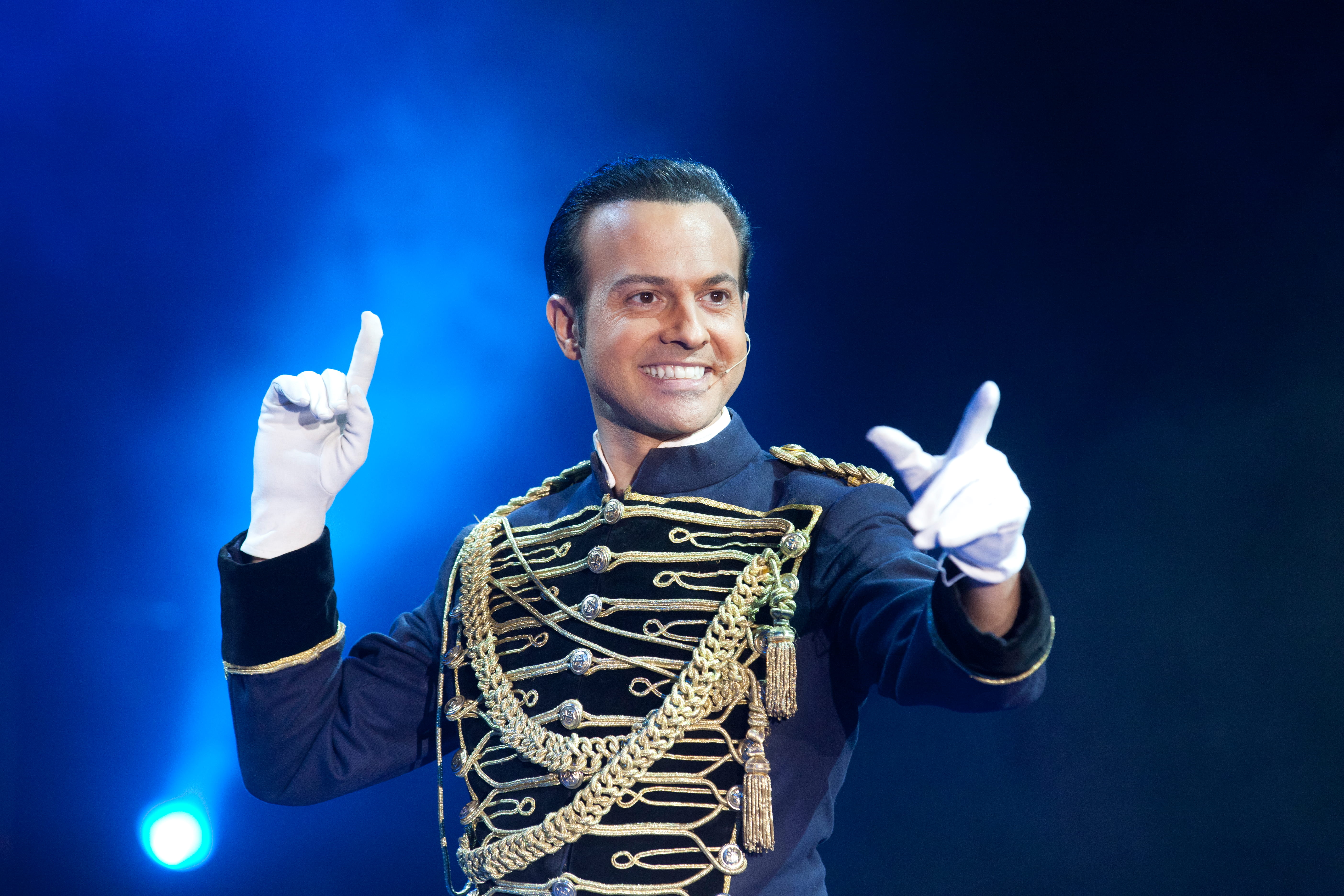
Genís Matabosch speaks to us of a Catalonia brimming with diverse landscapes: familiar promenades, Empordà coves, restored abbeys, symbolic mountains, and squares where tradition lives on. His perspective, shaped by the circus and heritage, reminds us that culture must not only be preserved, but also showcased.
Because, after all, Catalonia is also a big tent open to the world, full of stories, memory and spectacle.
Published by Youssef Haouriqui on 30 of june of 2026 at 08:55h
Events
Forest week in Sant Celoni
16 OctoberAmateur Theatre Showcase in Sant Gregori
16 OctoberEuropean Heritage Days in Collbató
16 OctoberRACC Costa Dorada Rally in Salou
From 16 to 17 OctoberZim Zam Cassà - Cassà de la Selva Urban Art Festival
From 16 to 17 OctoberEmbarrats Fair in Sant Joan de Vilatorrada
From 16 to 18 OctoberFish and Rice Gastronomic Days
From 9 to 18 October
Experiences







 Sustainable turism
 Biosphere