


Mushrooms out of season: what to look for and when to look for them
When we think about mushroom hunting, almost everyone has the same mental image: autumn, a basket, saffron milk caps, porcini, chanterelles, and forests teeming with them after the first rains. But the world of mycology is much broader and, above all, much less predictable than we often believe. There are mushrooms that don't adhere to an "official" calendar and appear when you least expect them, outside of the usual season, offering a different, quieter, and often wilder experience.
Foraging for mushrooms out of season isn't just about dates, but about observation, patience, and knowledge of the environment. It's about changing your mindset, understanding that mushrooms don't appear just because they're supposed to, but because specific conditions of temperature, humidity, and environment come together. And this is where mushrooms like morels, spring mushrooms, and fairy ring mushrooms come into play—species that challenge the idea that "without autumn, there are no mushrooms."
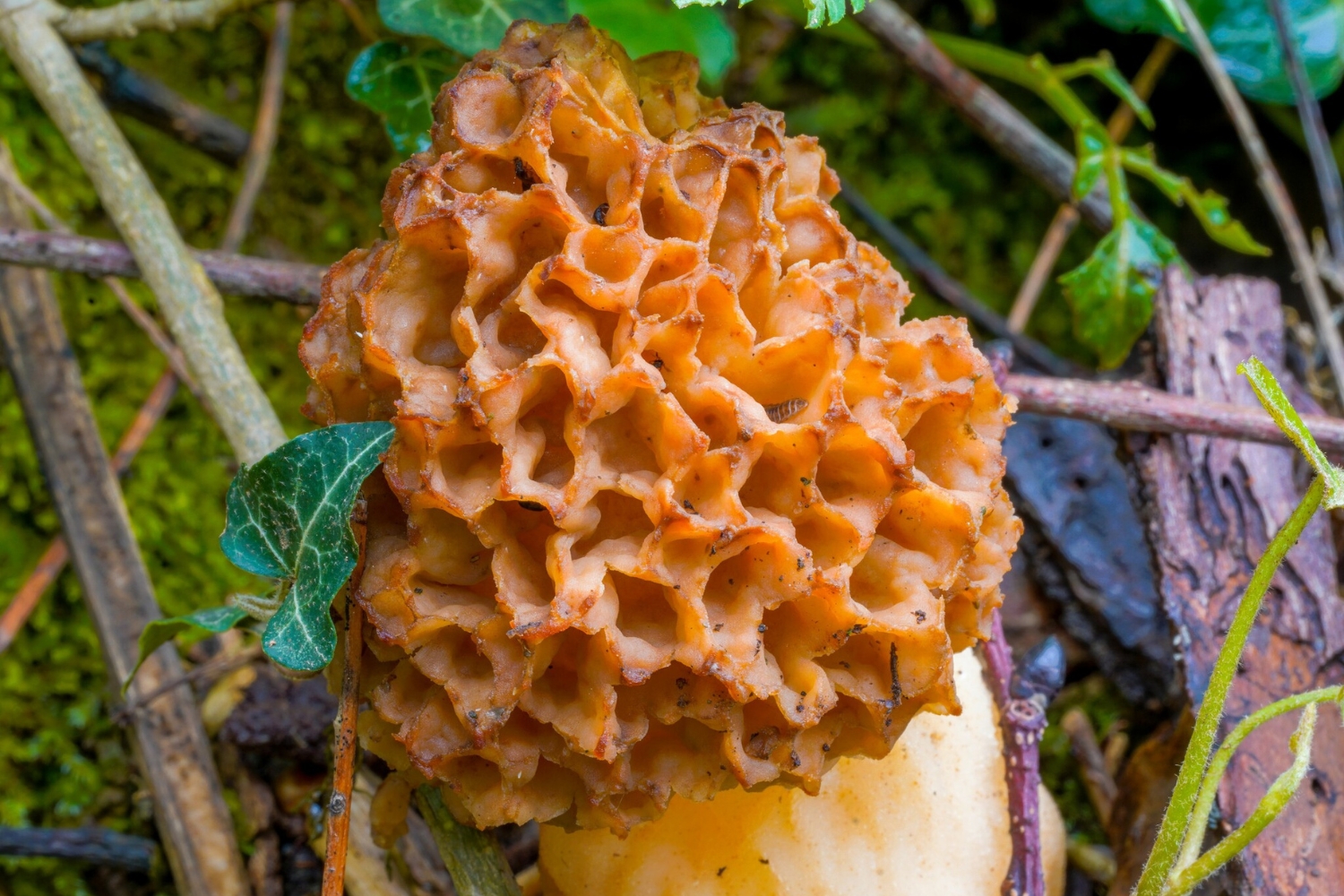
Morel: the discreet queen of spring
The morel is probably the best-known out-of-season mushroom and, at the same time, one of the most prized gastronomically. It appears mainly in spring, with a fairly clear window between April and May, although this can vary depending on the year and the region. It is not an abundant or easy mushroom to find, but that is precisely where part of its charm lies.
One of the most curious characteristics of the morel is its preferred habitat. It doesn't seek the "perfect" forest, but rather the opposite: disturbed, damaged, or regenerating areas. It's common to find it in forests burned two or three years prior, in areas where logging has occurred, or in areas with abundant dead wood and fallen branches. It's also frequent in riparian forests, near rivers or floodplains, especially under poplars, plane trees, or alders.
Finding morels is a matter of sight and memory. If you find them in a particular spot one year, there's a good chance they'll reappear for several years in a row. They don't form large patches or produce "easy harvests"; they're often occasional finds, almost like a reward for those who walk attentively and without haste.
Marzuelo: the mushroom that appears when it is still cold
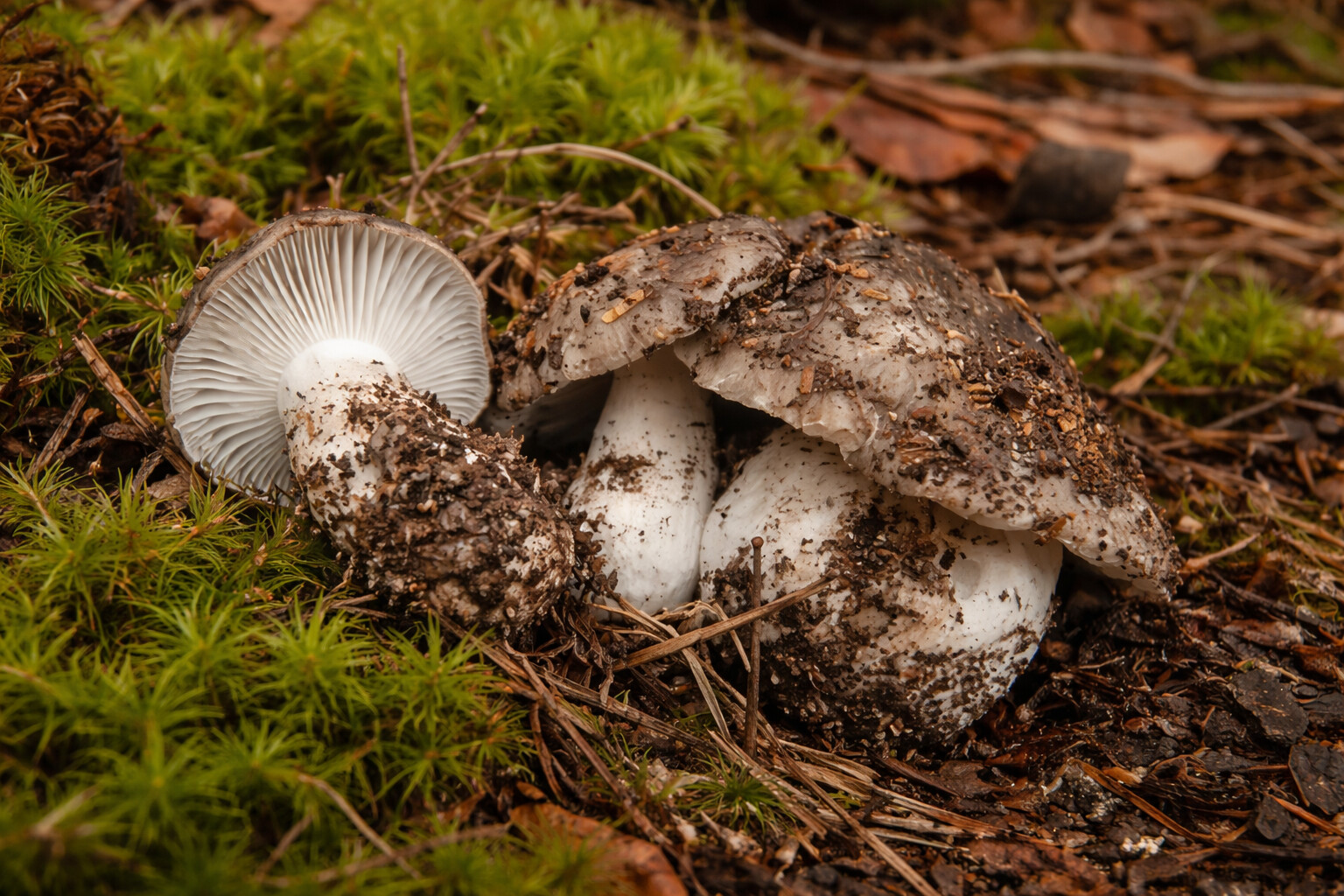
If there's one mushroom that symbolizes out-of-season mushroom hunting, it's the snow mushroom, also known as the marzuelo. It's a mushroom that appears when winter hasn't quite ended, often between February and April, and can last until early or late May depending on the year.
The sagebrush has a very close relationship with the cold. It thrives in low temperatures and often emerges just as the snow begins to melt. It is commonly found half-buried under the leaf litter in fir, black pine, or Scots pine forests, especially at higher altitudes. In fact, many foragers walk right past it without noticing, because it doesn't stand out much and blends in perfectly with the damp, dark forest floor.
Hunting for St. George's mushrooms is almost a winter activity: waterproof boots, warm clothing, and a willingness to walk in silence. There are no crowds or overflowing baskets, but there is a very special feeling of being in the right place at the right time. It's the kind of mushroom that doesn't reward you with quantity, but with experience.
Fairy ring mushroom: the mushroom of the meadows and the tranquil spring
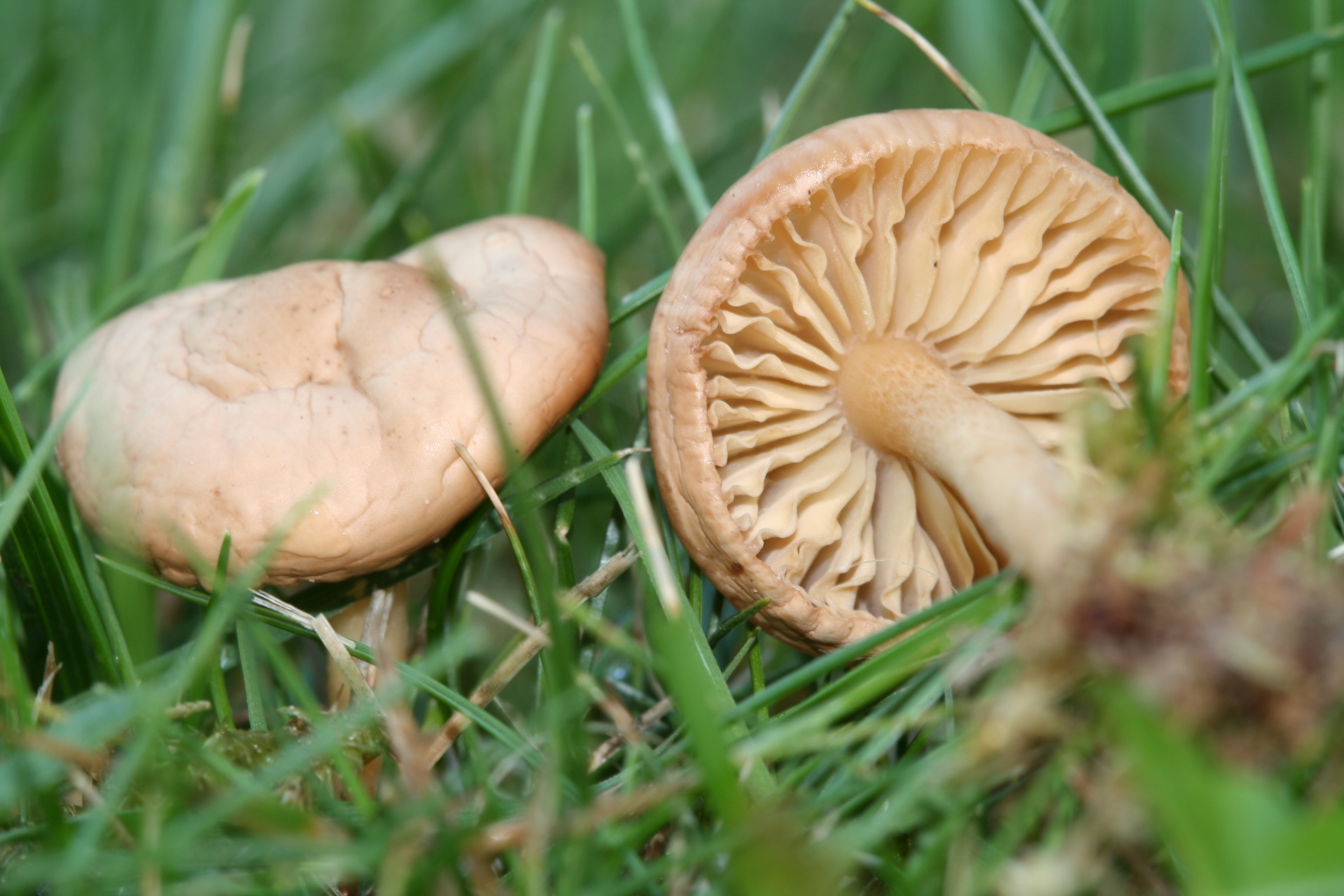
The fairy ring mushroom is a type of mushroom that often goes unnoticed because it doesn't grow in forests, but rather in meadows. It appears mainly in spring, but can also last until early summer, especially in mid- and high-mountain meadows where the moisture lingers longer.
It's typical to find it forming what are known as "fairy rings," circles or arcs visible in the grass. It's not a visually striking mushroom, but it's highly prized in cooking for its intense aroma and its excellent preservation once dried. Unlike other mushrooms, the fairy ring mushroom tolerates moderate heat quite well, provided the meadow remains somewhat moist.
Hunting for fairy ring mushrooms is an almost meditative activity: walking through open meadows, observing the grass, reading the terrain. It's also a good entry point for those who want to get started with mushrooms out of season, as it doesn't require large forests or extreme conditions.
Another way to understand mushroom season
Going mushroom hunting out of season primarily involves changing how we relate to our surroundings. There are no fixed rules or dates marked on the calendar. Everything depends on the year's weather, the rainfall, the snow, the temperatures, and the condition of the forest.
It's also a way to escape the autumn crowds. In spring and late winter, the forest is quieter, more intimate. You don't always return with a full basket, but you almost always return with something: a new observation, a discovered place, a sense of connection with the land.
Out-of-season mushrooms remind us that nature doesn't operate on a human schedule. Those who adapt, who observe, and who are patient can discover another mycological calendar, more subtle but equally fascinating. And perhaps, the next time someone says "it's not mushroom season," you'll know that's not entirely true.
Published by Youssef Haouriqui on 24 of march of 2026 at 09:31h

Events
Forest week in Sant Celoni
16 OctoberAmateur Theatre Showcase in Sant Gregori
16 OctoberEuropean Heritage Days in Collbató
16 OctoberRACC Costa Dorada Rally in Salou
From 16 to 17 OctoberZim Zam Cassà - Cassà de la Selva Urban Art Festival
From 16 to 17 OctoberFira Mediterrània de Manresa 2026
From 15 to 18 OctoberMoaré Terrassa Festival
From 16 to 18 October
Experiences







 Sustainable turism
 Biosphere