


David Tristany i Gámez: landscape, heritage and culture that walks
At 32 years old, a native of Berguedà and a lover of heritage, David Tristán i Gámez combines his passion for photography, local tourism, and popular culture. A keen observer of the region and actively involved in the vast world of Central Catalonia, his gaze focuses both on grand landscapes and on the details that explain the identity of its towns and villages.
From femturisme.cat, we talked to him to discover his favorite spots, how he understands popular culture as a tool for tourism promotion, and what places he still has pending to visit.
A Catalonia made of mountains, history and living traditions
What is your favorite spot in Catalonia?
The Queralt mountain range and the surrounding mountains. Although it's a spectacular landscape, it's primarily the area around Berga, where I live, that holds a special place in my heart. Looking at the bigger picture, I'd also highlight the Boí Valley, a superb blend of heritage and scenery, from Romanesque churches with slender bell towers to a breathtaking natural environment.
Is there any place in Catalonia that brings back childhood memories?
From my childhood, Palamós and Calafell. We often went there with the family for a few days in the summer.
Of an important time in my life, I would say Barcelona, especially the city center and Ciutat Vella. During my university years, about ten years ago, I used to take advantage of my free time to wander around it. Even today, when I can, I go down to do a bit of sightseeing.
What Catalan experience or tradition do you think everyone should experience at least once?
The Patum de Berga, without a doubt, or any other popular culture festival with history and feeling behind it.
And now that Christmas has only just passed a few months ago, looking ahead to the next holiday season, I would also recommend visiting a live nativity scene. There are many in Catalonia, some with a long history, and they are a wonderful example of traditional customs and crafts.
If you had to recommend just one thing to someone visiting Catalonia for the first time, what would it be?
It's hard to choose just one. I'd say, first of all, the iconic mountains of Pedraforca and Montserrat. Secondly, the Modernist architecture of Barcelona, with the Sagrada Família at its heart, and also some spots along the Costa Brava.
What corner of Catalonia have you yet to discover?
There are still many to explore. I really enjoy local tourism and taking every opportunity to discover new places and photograph them. I'd like to get to know the inland towns of Girona and Tarragona better, as well as visit some of the Modernist buildings I haven't yet seen.
If I had to be specific, I'd say Sant Miquel del Fai, in the Cingles de Bertí Natural Area. It's a place I haven't visited yet, and after rain, they say it's spectacular because of the waterfalls.
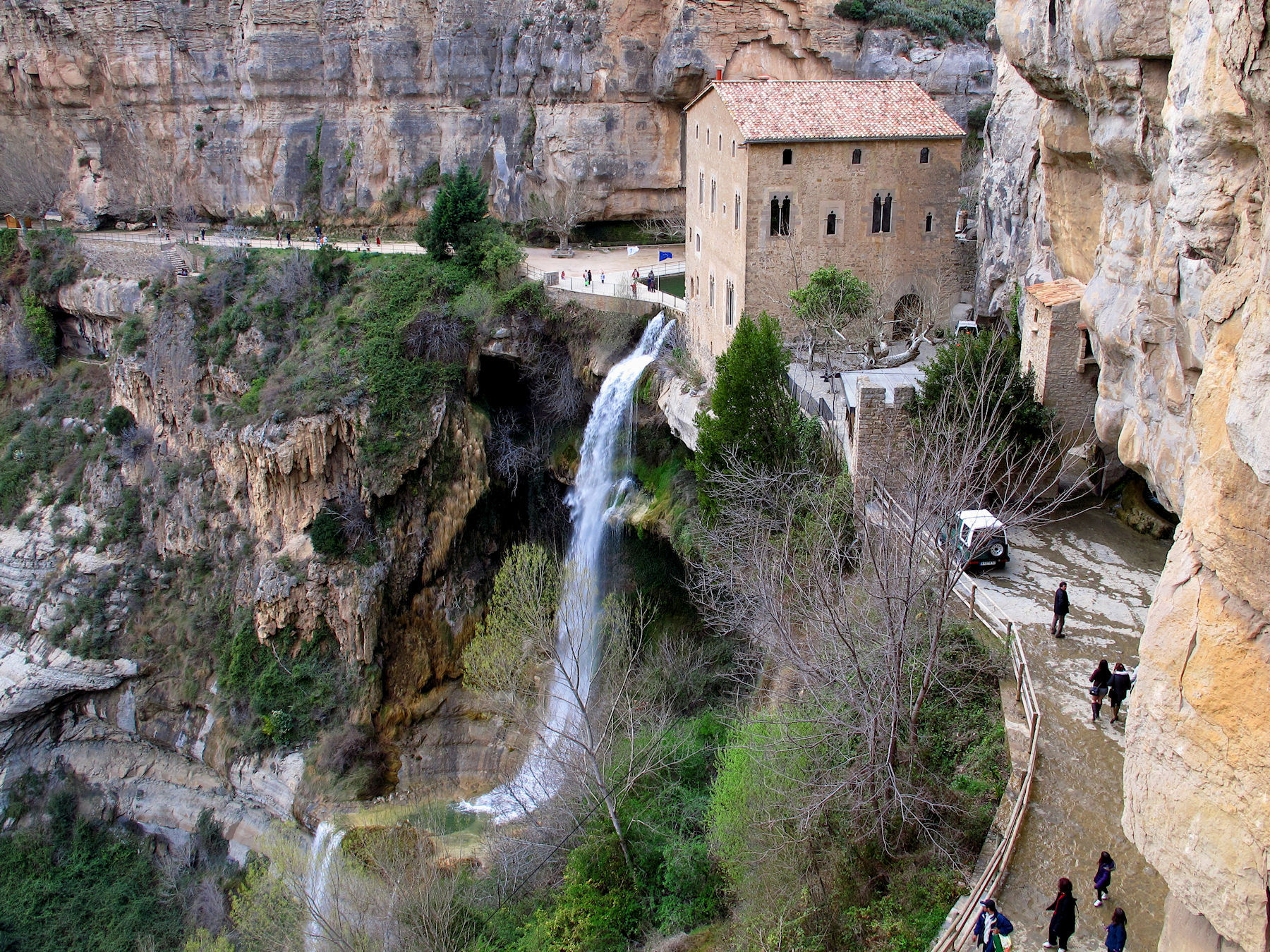
Sant Miquel del Fai is a monumental and natural complex that combines cliffs, caves and waterfalls in a unique environment.
How do giants help to preserve and spread the cultural identity of Central Catalonia?
Giants are not just a festive element, but a part of our cultural heritage. In cities like Berga, Solsona, Cardona, and Vic, with their deeply rooted traditions, there are spaces and small museums that explain the meaning of the figures and their connection to the history of the town.
Even in smaller towns, within their means, a great effort is made to publicize the gigantic tradition.
What challenges does it face in making the giant world more visible in current tourism promotion channels?
Until recently, I was responsible for the Bages-Berguedà Giants Association, working as a volunteer, coordinating and promoting activities through social media, and assisting with initiatives such as the annual inter-district meeting. I have now stepped aside, but I will continue to collaborate in the field of popular culture.
Today, there are many channels and products that allow us to bring these traditions closer to children and the general public. The challenge is knowing how to use them effectively.
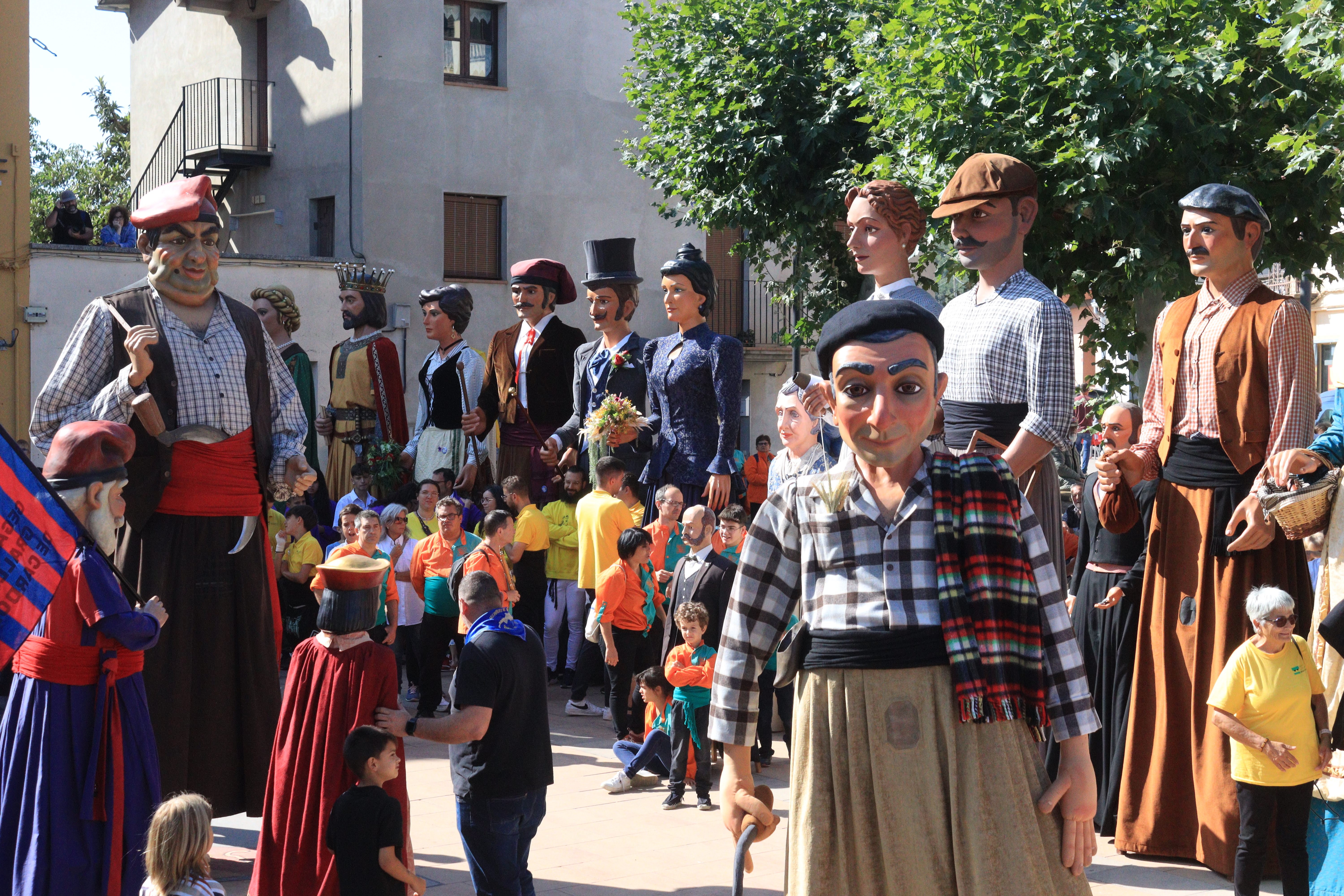
David Tristán speaks to us of a Catalonia that is not only observed, but lived and collectively built. Among mountains, Romanesque churches, squares with giants, and little-known paths, his perspective highlights what is often closest to us.
Because, after all, heritage is not only preserved: it is walked, danced, and explained.
Published by Youssef Haouriqui on 3 of march of 2026 at 09:51h
Events
Amateur Theatre Showcase in Sant Gregori
16 OctoberEuropean Heritage Days in Collbató
16 OctoberAlfaro Year in Sant Andreu de Llavaneres
16 OctoberRACC Costa Dorada Rally in Salou
From 16 to 17 OctoberZim Zam Cassà - Cassà de la Selva Urban Art Festival
From 16 to 17 OctoberModernist Conferences in la Garriga
From 16 to 18 OctoberTortosa artery
From 15 to 18 October
Experiences







 Sustainable turism
 Biosphere