


Smart modes that keep travelers connected while they explore new destinations
Traveling to new destinations has become easier and more exciting than ever. From booking flights online to navigating unfamiliar streets with digital maps, technology now plays a vital role in every trip. Whether someone is traveling for business, leisure, or adventure, staying connected while traveling has become essential. Reliable internet access helps travelers communicate with family, manage bookings, access important travel information, and even stay safe in unfamiliar environments.
As international tourism continues to grow, travelers are also becoming more aware of the different ways they can stay connected abroad. Understanding connectivity options before leaving home can save time, money, and unnecessary stress during your trip.
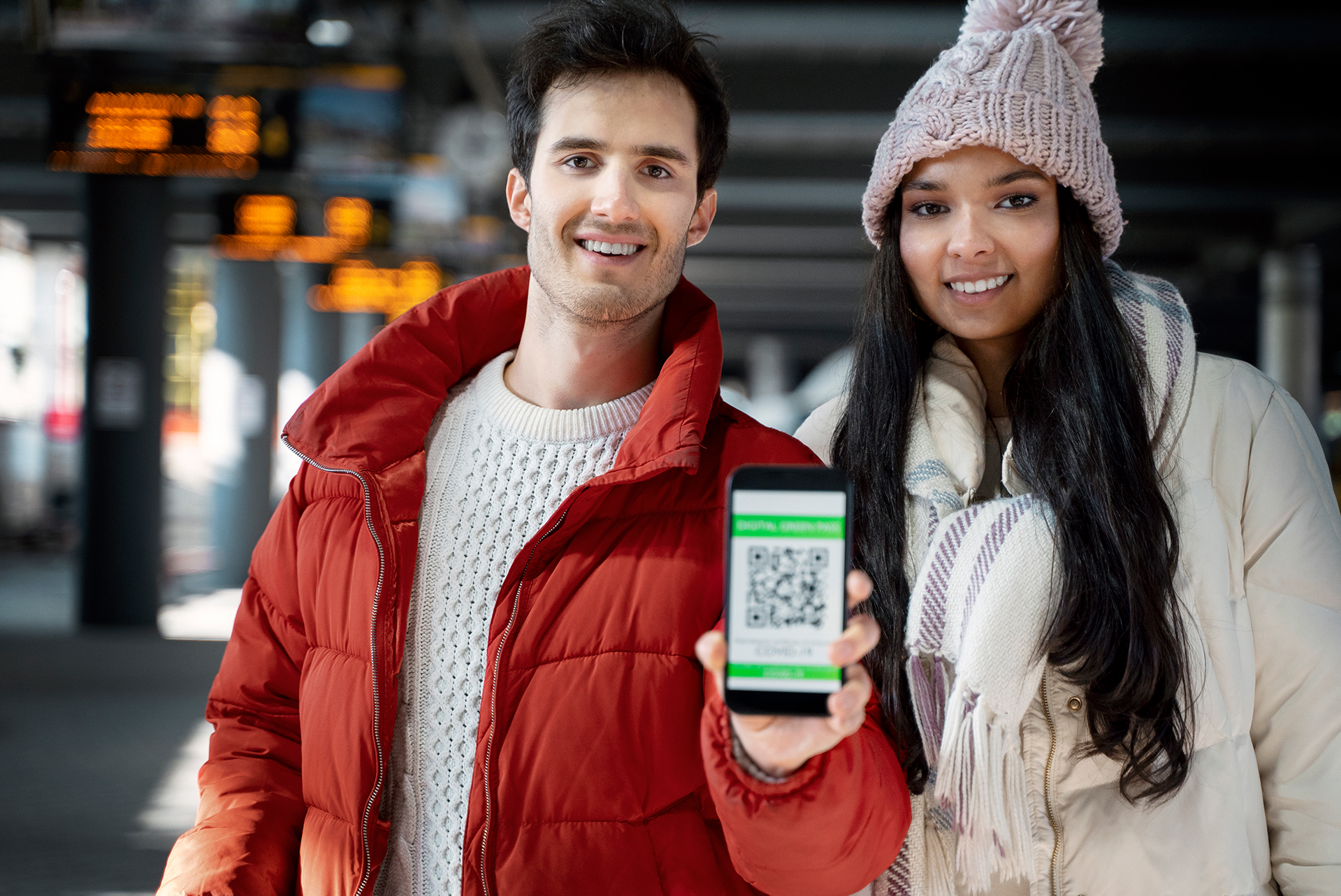
Why reliable internet is important while traveling
Internet access has become an essential element of travel. Modern travelers rely on mobile connectivity for almost everything, from checking hotel reservations and accessing boarding passes to using translation apps and finding local attractions.
Many travel-related services now operate digitally. Airlines send flight updates via apps, hotels provide online check-in systems, and transportation services rely heavily on mobile access. Without a stable internet connection, travelers may struggle to access these services efficiently.
Connectivity also improves safety during international travel. Travelers can quickly contact emergency services, use navigation apps, or communicate with friends and family while exploring unfamiliar places. According to the International Air Transport Association (IATA ), digital travel solutions continue to transform the global travel experience, making journeys more convenient and efficient.
Common connectivity challenges faced by tourists abroad
Despite the benefits of staying connected, many tourists still experience connectivity issues when traveling internationally. One of the most common problems is expensive roaming charges. Travelers often return home with unexpectedly high phone bills after using mobile data abroad.
Another challenge is finding reliable public Wi-Fi. While free internet is available in many airports, hotels, and cafes, public networks aren't always secure. Cybersecurity experts often warn travelers about the risks of using unsecured Wi-Fi networks, especially when accessing banking apps or sensitive personal information.
Language barriers can also create difficulties when purchasing local SIM cards in foreign countries. Travelers may struggle to understand activation instructions, local mobile plans, or coverage limitations. In some destinations, registration requirements for physical SIM cards can further complicate the process.
Poor coverage in remote locations is another common problem. Travelers exploring rural destinations, mountains, or islands may experience weaker mobile signals compared to major cities.
Comparison of traditional SIM cards and modern digital options
Today's travelers have more connectivity options than ever before. Traditional physical SIM cards are still widely used, especially for extended trips. Many tourists purchase local prepaid SIM cards after arriving in a new country to reduce roaming costs.
However, digital alternatives have become increasingly popular in recent years. Many newer smartphones now support eSIM technology, which allows users to activate mobile plans digitally without inserting a physical SIM card. This option offers greater convenience for international travelers visiting multiple countries on a single trip.
Unlike traditional SIM cards, digital mobile solutions can often be activated before departure, helping travelers stay connected immediately after landing. Travelers researching different mobile connectivity methods often compare physical SIM cards with modern options like eSIM technology to understand which solution best suits their travel style.
Choosing the right option depends solely on factors such as trip duration, destination, smartphone compatibility, and expected data usage.
How travelers use mobile connectivity for navigation and safety
Navigation apps have completely changed the way people travel. Tourists no longer need to carry paper maps or rely entirely on local directions. GPS-enabled mobile apps help travelers navigate cities, find restaurants, discover attractions, and avoid getting lost.
Mobile connectivity also supports transportation services such as ride-sharing apps, train schedules, and public transport maps. In many countries, digital payment systems and QR code-based ticketing now also require internet access.
Safety is another important benefit of staying connected while traveling. Real-time weather updates, emergency alerts, and embassy notifications can help travelers avoid dangerous situations. Solo travelers especially benefit from being able to share their live location and instantly communicate with trusted contacts.
Travel websites like Lonely Planet also offer valuable destination guides, travel tips, and local recommendations that travelers can access online during their trip.
Tips for managing mobile data while traveling internationally
Managing mobile data wisely can help travelers avoid excessive charges and connectivity issues during international trips. One of the best strategies is to download offline maps before departure. Apps like Google Maps allow users to save maps for offline navigation.
Travelers should also disable background app updates and automatic updates while abroad. Many apps continue to consume data even when not actively used. Monitoring data usage regularly helps avoid unexpected charges.
Using secure Wi-Fi networks whenever possible can reduce mobile data consumption. However, travelers should avoid entering sensitive information on public networks unless they are using a trusted VPN service.
It's also important to research mobile coverage before traveling. Some destinations have stronger network infrastructure than others, especially in rural or remote areas.
The future of travel connectivity and digital convenience
Technology will continue to shape the future of travel connectivity. As international tourism evolves, travelers increasingly expect seamless digital experiences wherever they go. Mobile connectivity is no longer considered a luxury, but a necessity for modern travel.
Innovations such as digital mobile plans, cloud-based travel services, and smarter global network solutions make international communication easier than ever. Travelers can now stay connected across multiple destinations without constantly swapping physical SIM cards or searching for local mobile stores.
According to the United Nations World Tourism Organization (UNWTO ), digital transformation continues to influence global tourism and traveler behavior worldwide. As technology improves further, staying connected while exploring new destinations will likely become even more convenient, safe, and affordable for travelers everywhere.
Published by Gemma on 25 of may of 2026 at 09:14h

Events
Forest week in Sant Celoni
16 OctoberAmateur Theatre Showcase in Sant Gregori
16 OctoberEuropean Heritage Days in Collbató
16 OctoberZim Zam Cassà - Cassà de la Selva Urban Art Festival
From 16 to 17 OctoberRACC Costa Dorada Rally in Salou
From 16 to 17 OctoberEmbarrats Fair in Sant Joan de Vilatorrada
From 16 to 18 OctoberFish and Rice Gastronomic Days
From 9 to 18 October
Experiences







 Sustainable turism
 Biosphere