


Gallo Pota Blava: the gastronomic pride of El Prat de Llobregat
Some products define a region better than any map. The Gallo Pota Blava (Blue-chested Rooster) is one of them. With its glossy dark blond feathers, red comb, and, above all, its unmistakable slate-blue legs, this bird has become one of the great symbols of El Prat de Llobregat and the Baix Llobregat region. It's not just a unique chicken; it's a native breed, a rural tradition, and a gastronomic gem that has kept the agricultural heritage of the Llobregat Delta alive.
Pota Blava is the popular name for the Prat breed, a Catalan poultry breed renowned for both its appearance and the quality of its meat. In a region often associated with Barcelona and its infrastructure, El Prat boasts a striking, fertile, and vibrant agricultural landscape. Within this local heritage, the Pota Blava holds a privileged place.
A native breed with a rich history
The history of the Pota Blava (Blue Chicken) dates back to the late 19th century, when farmers and poultry breeders in El Prat began selecting a rustic, Mediterranean chicken breed perfectly adapted to the local environment. Over time, this selection process established the characteristics that now define the Prat breed: dark blond, vibrant, and elegant plumage; a dark, glossy tail in the rooster; a single, serrated comb; white earlobes; and slate-blue legs, which have given it the nickname by which it is known far and wide.
What's most fascinating is that this breed has maintained its unique character throughout the years. The Pota Blava isn't the product of a recent culinary trend, but rather of a deep-rooted expertise in the countryside, farmhouses, chicken coops, and the patient work of generations of breeders. That's why, when we talk about it, we're not just talking about food: we're talking about a living heritage.
Furthermore, El Prat Chicken and Capon have Protected Geographical Indication status, a seal that recognizes their origin, quality, and production conditions. The farms producing them must be located in specific municipalities of the Baix Llobregat region, such as El Prat de Llobregat, Gavà, Viladecans, Sant Boi de Llobregat, Castelldefels, and Cornellà de Llobregat, among others. This reinforces the link between the product and its place of origin.
The taste of chickens from before
In the kitchen, the Pota Blava is especially prized for its delicate, tender meat with an intense flavor. It's a meat with character, persistent and elegant, reminiscent of chickens raised with time, patience, and respect for their natural rhythms. It's not a product meant to go unnoticed: it requires recipes that allow it to express itself.
Traditionally, it's ideal for roasts, stews, and celebratory dishes. Its flavor pairs beautifully with seasonal and locally sourced ingredients, especially other products from the Baix Llobregat Agricultural Park. And here we find another star of El Prat: the Prat Artichoke. The Pota Blava (blue squid) and the Prat Artichoke form a perfect gastronomic pairing, perfectly encapsulating the culinary richness of the delta.
This type of cooking is a tribute in itself. Cooking Pota Blava is about rediscovering slow, steady cooking, shared pots, and meals that taste like Sundays. It's an invitation to savor the land with all your senses.
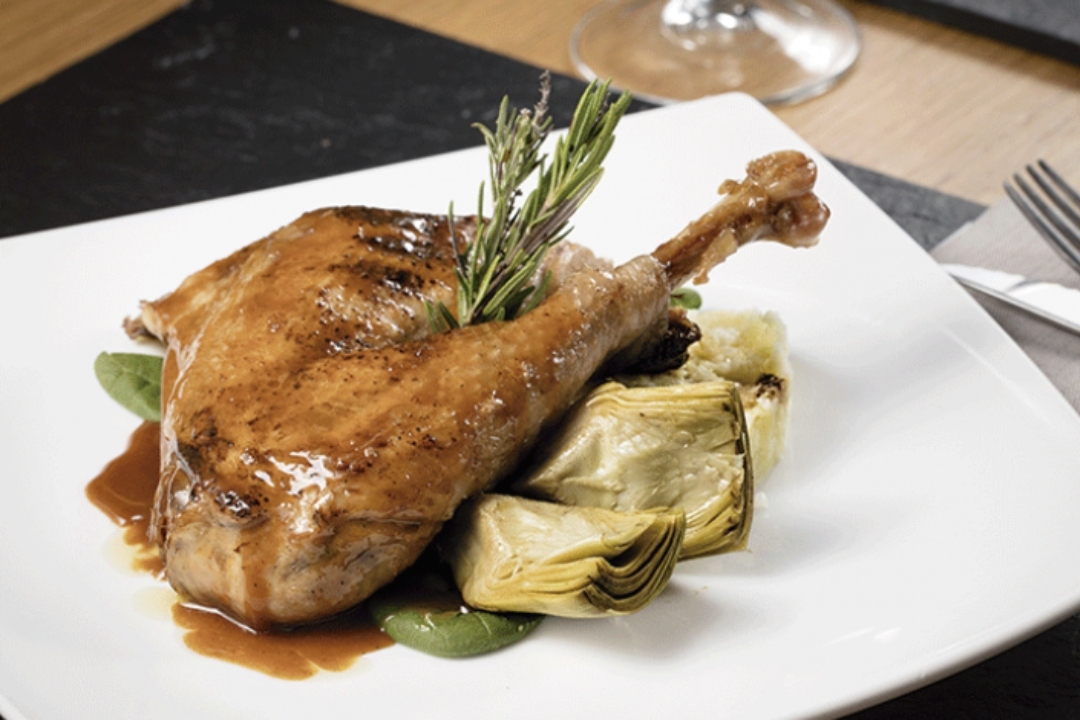
El Prat de Llobregat, land of countryside and gastronomy
El Prat de Llobregat is much more than just a city next to Barcelona. It's a gateway to the delta, to natural spaces, to agricultural paths, and a way of understanding local produce that combines tradition and future. The Pota Blava (Blue Pot) is one of its most beloved emblems because it connects the city with its rural roots.
Its breeding, linked to registered farms and specific conditions, reinforces this idea of a unique product. The PGI regulations establish production conditions such as a diet rich in cereals and minimum rearing periods, elements that contribute to the texture and final flavor of the meat. All of this makes Pota Blava a product closely identified with quality, local sourcing, and authenticity.
For visitors, discovering the Pota Blava is also the perfect excuse to approach El Prat with a fresh perspective. Strolling around the Agricultural Park, sampling local products, exploring El Prat's cuisine, and understanding the relationship between the city, the countryside, and the delta is a highly recommended experience for food tourism enthusiasts.
The Prat Breed Poultry Fair, the great Pota Blava festival
One of the best times to discover this product is at the Prat Breed Poultry Fair, held in El Prat de Llobregat, which has become an essential event for learning about the Prat Blue Chicken and the agricultural culture of the municipality. The fair brings together breeders, farmers, restaurateurs, retailers, organizations, and visitors in a festive and family-friendly atmosphere, with the local product taking center stage.
At the fair, visitors can see Prat cattle up close, sample dishes made with blue-spotted pigs, buy local products, and discover other regional treasures, such as the Prat artichoke. The setting of the Granja de la Ricarda, an emblematic site in the municipality, reinforces this connection between heritage, agriculture, and gastronomy.
It's one of those fairs worth marking on your calendar if you enjoy culinary tourism, quality products, and authentic experiences.
A symbol that lives on
The Gallo Pota Blava is much more than a unique bird. It embodies identity, landscape, agriculture, and gastronomy. It is the result of a region that has preserved its own breed and transformed it into a source of collective pride. In each bird, you'll find the work of the breeders, the memory of the El Prat countryside, and the flavor of a cuisine that looks to the past to keep moving forward.
Therefore, tasting Pota Blava is a delicious way to discover El Prat de Llobregat. And visiting its fair is a magnificent opportunity to understand why this blue-legged rooster has earned a prominent place among Catalonia's great gastronomic products.
Published by Youssef Haouriqui on 2 of november of 2026 at 12:23h
Events
Forest week in Sant Celoni
16 OctoberAmateur Theatre Showcase in Sant Gregori
16 OctoberEuropean Heritage Days in Collbató
16 OctoberRACC Costa Dorada Rally in Salou
From 16 to 17 OctoberZim Zam Cassà - Cassà de la Selva Urban Art Festival
From 16 to 17 OctoberFira Mediterrània de Manresa 2026
From 15 to 18 OctoberMoaré Terrassa Festival
From 16 to 18 October
Experiences







 Sustainable turism
 Biosphere