


Between stones and memory: the Jewish quarters of Catalonia
Walking through the old Jewish quarters of Catalonia is to step into an architecture that speaks softly, yet says a great deal. Narrow streets, quiet corners, and irregular layouts remind us that, between the stone and the memory, there are stories that must not be forgotten. These urban areas, often hidden in the heart of medieval cities, were home to one of the most active and cultured communities in Catalonia from the 13th to the 15th centuries: the Jewish community.
What was a Jewish quarter? Life in the medieval city
The architecture of Jewish quarters is not monumental like that of a cathedral, nor symmetrical like that of a Renaissance square. It is organic, adapted to the needs of a community that lived separately but integrated within the city, with its own religious, commercial, and domestic spaces.
The Jewish quarter was a vibrant, bustling neighborhood where daily life unfolded amidst books, rituals, markets, and knowledge. And although many of the original structures have been lost or transformed, its urban layout and the symbolism that underpins it remain a fundamental legacy.
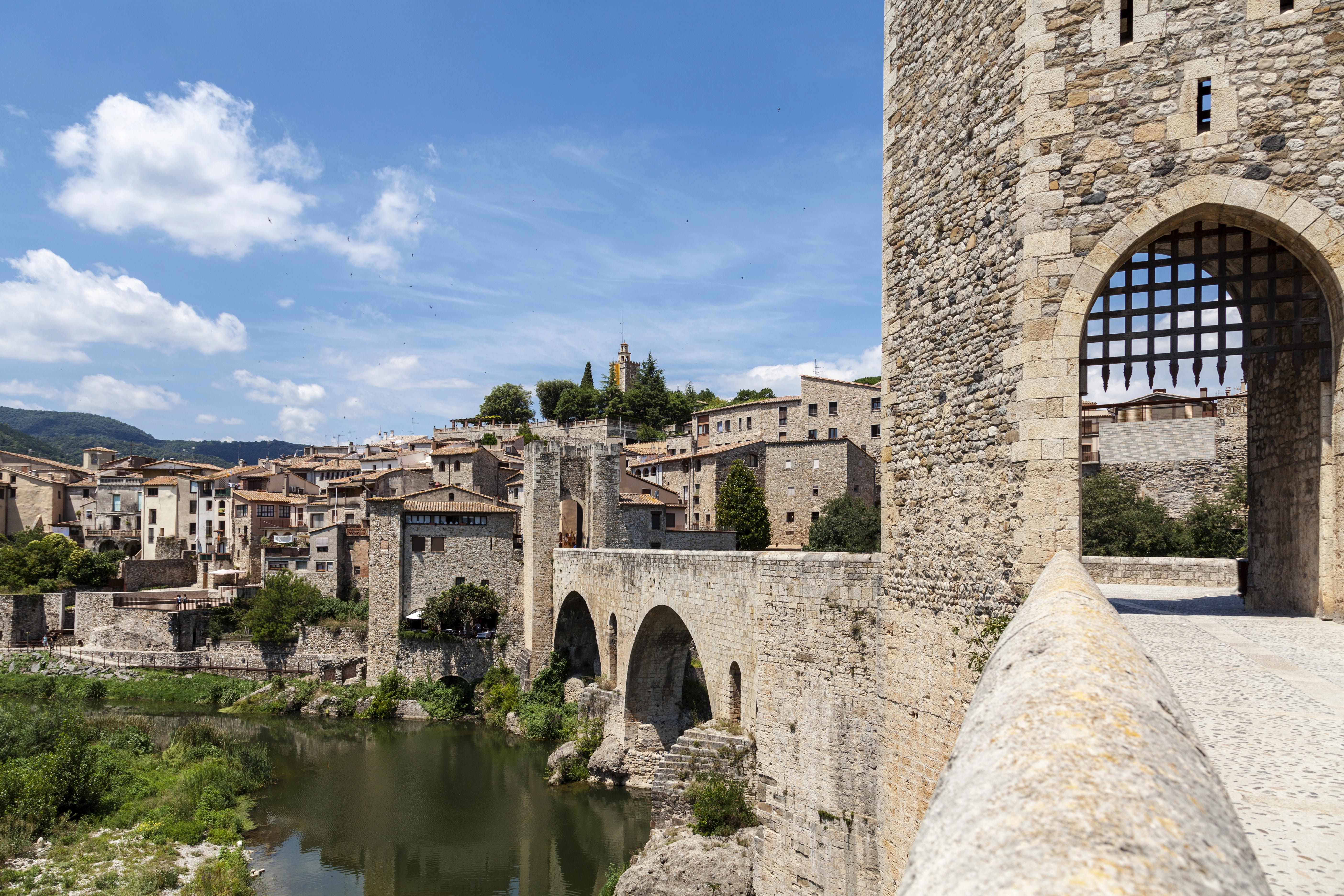
Girona: the best-preserved Jewish quarter
In cities like Girona, this legacy remains remarkably strong. The Jewish quarter of Girona, one of the best preserved in Europe, bears the imprint of a Jewish community that coexisted for centuries with the Christian world.
Today, its labyrinthine streets and the presence of the Museum of Jewish History allow us to understand how this seemingly understated architecture reflects a rich, spiritual culture deeply rooted in knowledge. It is a place where stone converses with history, and visitors can still experience an almost untouched atmosphere.
Walking through the Jewish quarter of Girona is like walking through a space where the architecture preserves the memory of a complex, but also fruitful, coexistence. 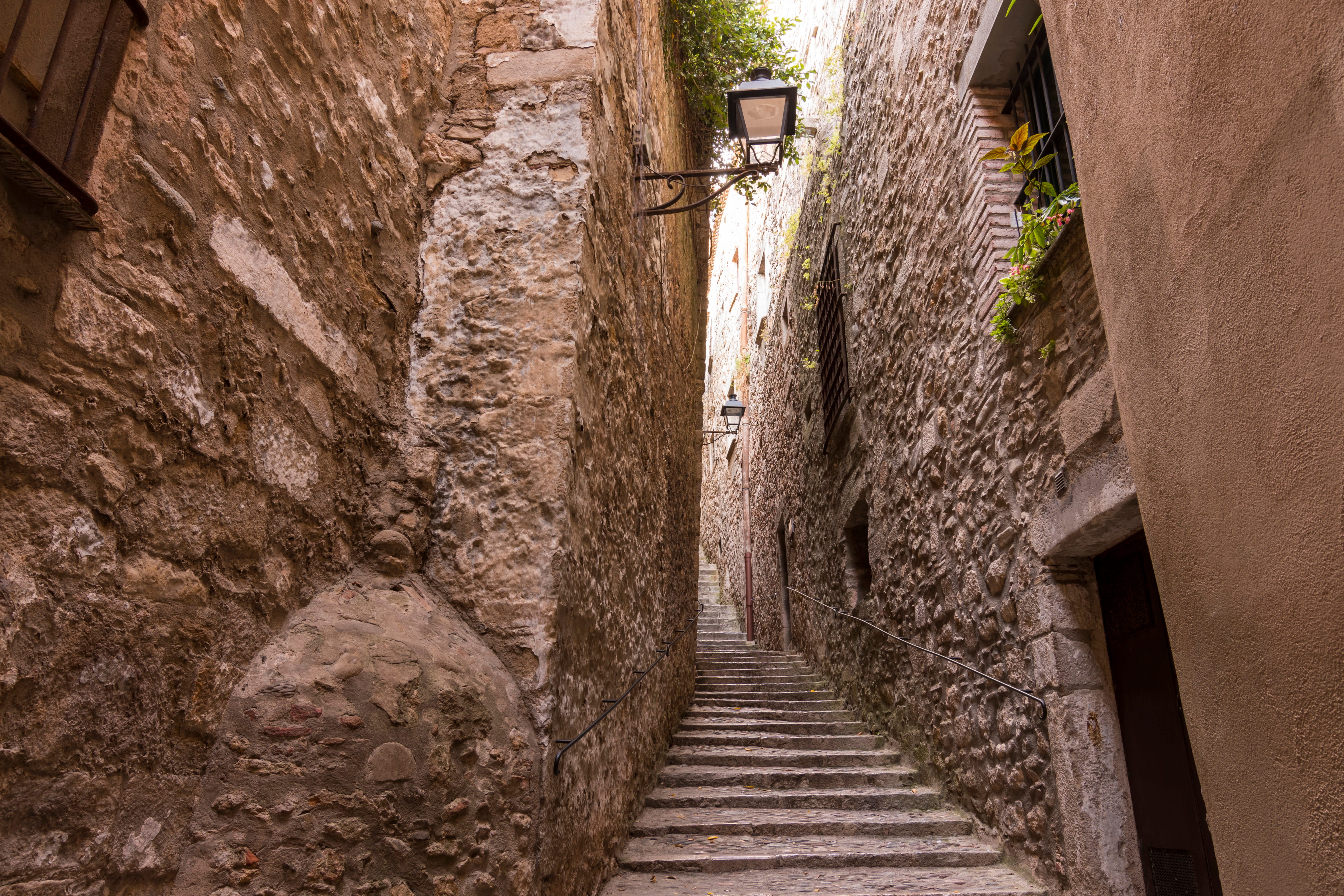
Barcelona: the Jewish quarter within the Gothic heart
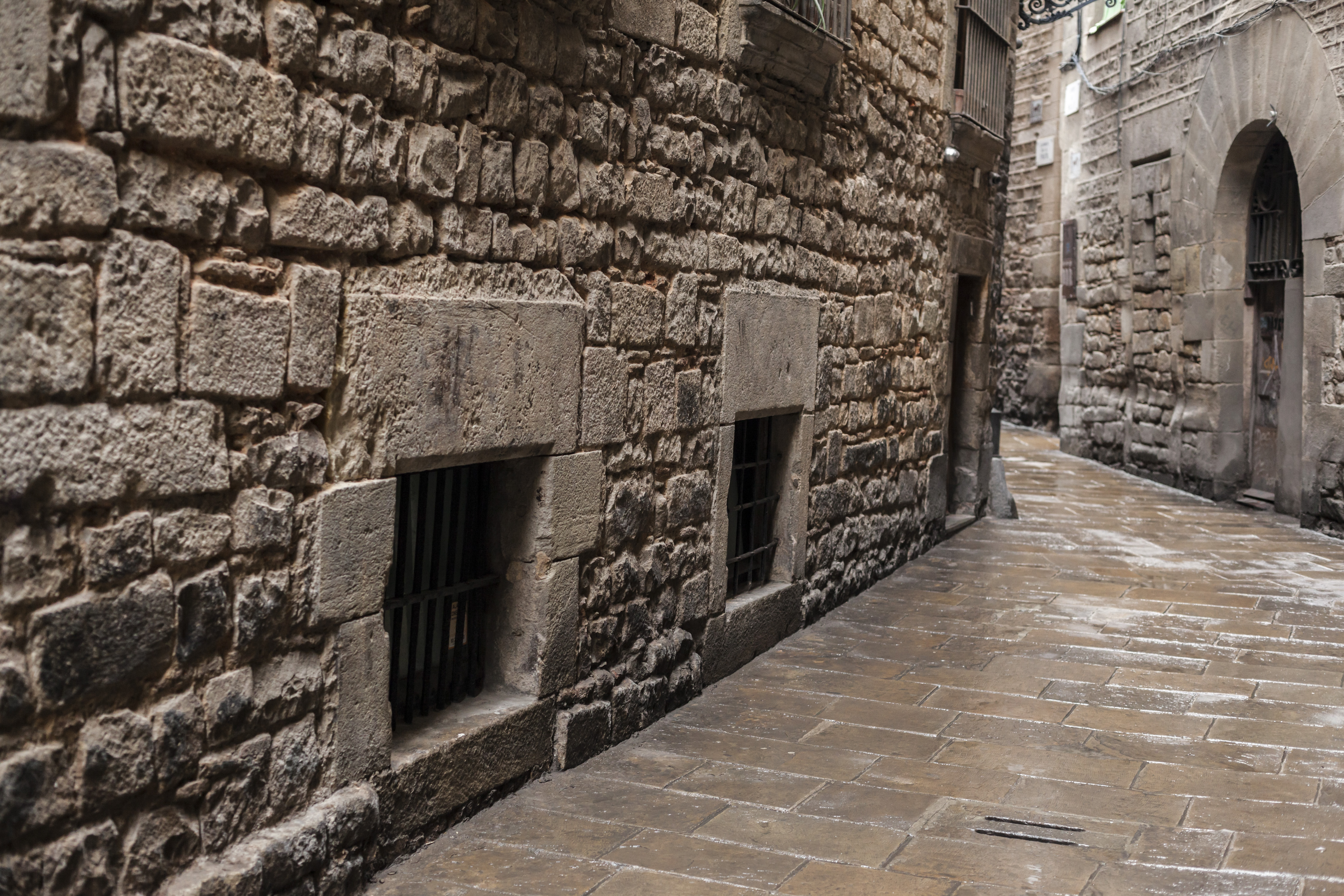
In Barcelona, the Jewish quarter is integrated within the fabric of the Gothic Quarter, but maintains its own distinct identity. Here stood the Great Synagogue, one of the oldest in Europe, rediscovered on Marlet Street.
This small, simple space contrasts sharply with the grand Gothic buildings that surround it, but its historical importance is undeniable. It is a tangible example of how Catalan Gothic architecture coexisted with other forms of life and worship during a time of great cultural ferment.
The Jewish quarter of Barcelona shows how the Gothic city was also a space of cultural coexistence, where different communities shared walls, markets and institutions.
Besalú: ritual architecture
The town of Besalú preserves a particularly outstanding Jewish quarter, with valuable remains such as the mikveh, the Jewish ritual bath, one of the few that are preserved throughout the Iberian Peninsula.
The existence of this space speaks to a functional architecture, yet one imbued with symbolism, where every corner served a spiritual, social, or health-related need. A stroll through Besalú is to rediscover a world where faith and daily life intertwined at every turn.
Here, the stone preserves with particular clarity the passage of time and the memory of a community that left a deep mark.
Tortosa and Lleida: traces that time has fragmented
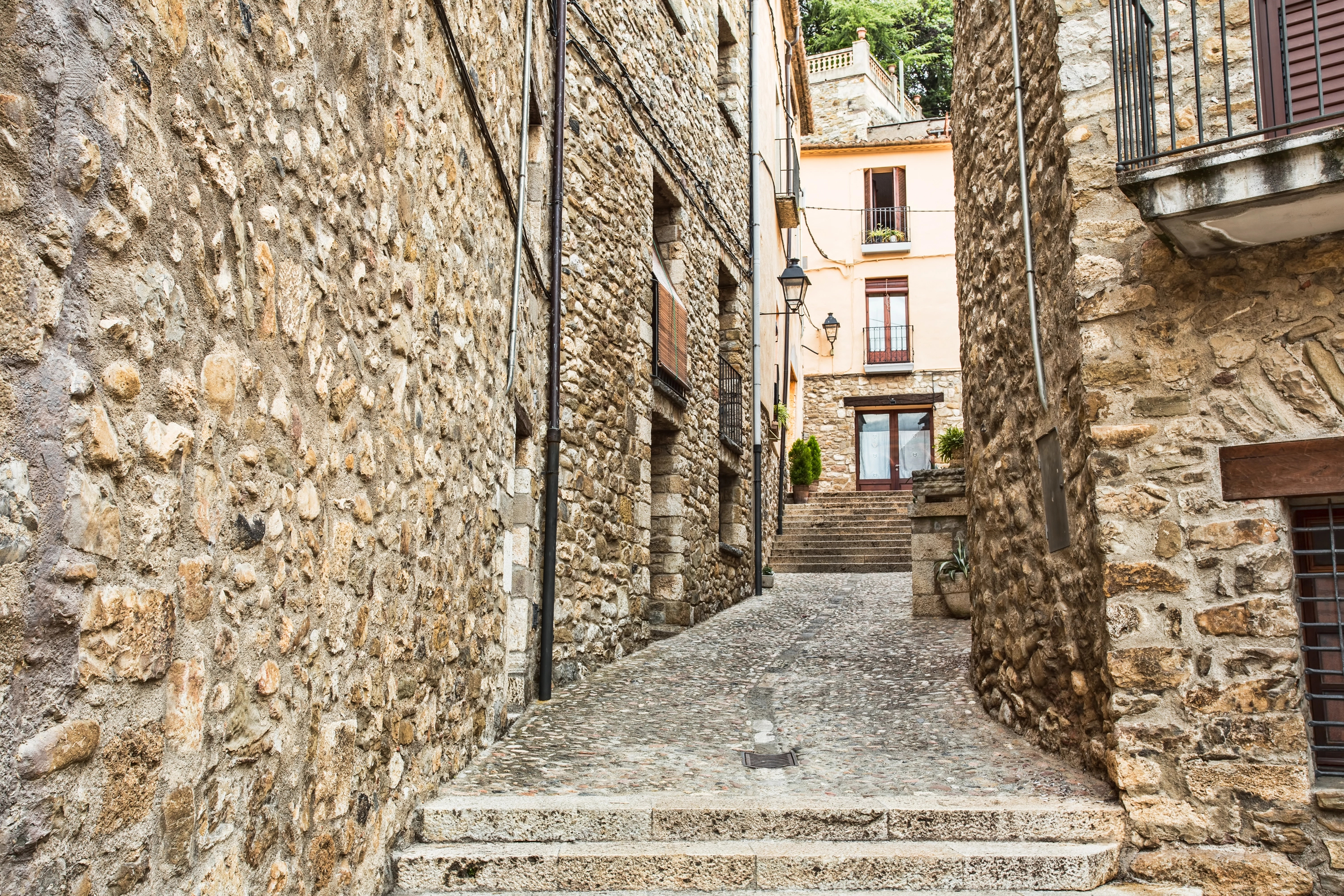
In Tortosa, the Jewish quarter adapted to the topography of the old town, nestled among stairs and slopes, revealing a dense and human-centered urban layout. Historical documents and archaeological remains allow us to reconstruct what that network of streets and communal spaces was like.
In Lleida, the Jewish quarter is less visible, but no less significant. Excavations and heritage studies have been recovering remains that restore the Jewish presence in the city's urban history.
In both cases, the heritage is presented in a more fragmented way, but equally essential to understanding the complexity of the medieval Catalan city.
Architecture, coexistence and memory
Despite the differences in preservation, the Jewish quarters share a common essence: they are spaces where architecture not only ordered the physical space, but also the symbolic, religious and community world.
An architecture built on a human scale, yet full of meaning, forged in parallel with the great Catalan Gothic style. Often hidden behind thick walls, but just as significant.
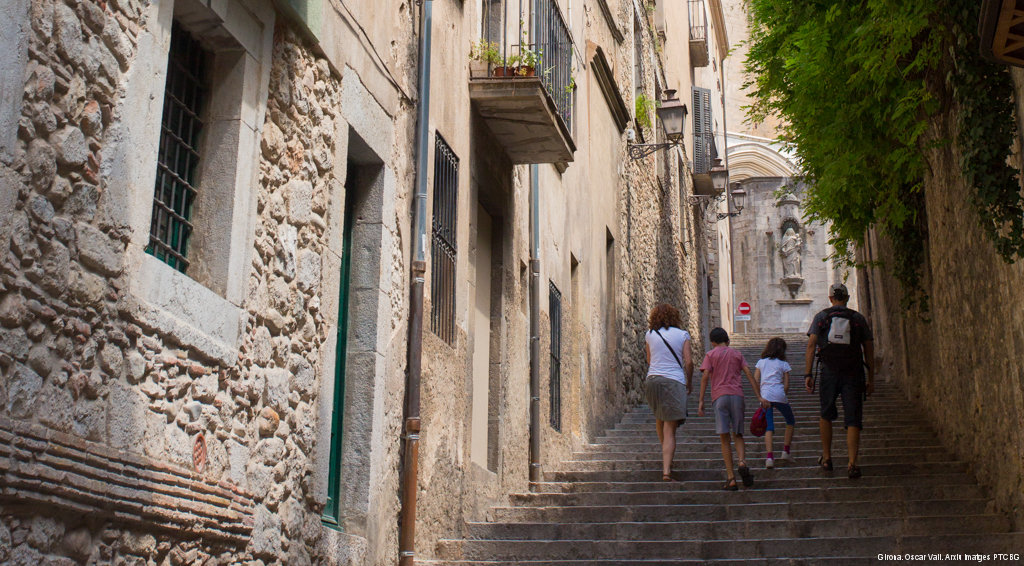
Author: Óscar Vall
A legacy that challenges us today
The Jewish quarters of Catalonia are much more than a collection of ancient stones. They are fragments of a shared past, of a complex coexistence, and of a memory that is being recovered and reclaimed today.
Discovering them is a way to better understand medieval Catalonia from a pluralistic perspective. It is to walk among shadows and light, between absences and presences, and to recognize that our architecture is also made of layers, voices, and stories to be preserved.
Published by Oriol Rosselló Gil on 31 of march of 2026 at 09:51h

Events
European Heritage Days in Collbató
16 OctoberAlfaro Year in Sant Andreu de Llavaneres
16 OctoberForest week in Sant Celoni
16 OctoberRACC Costa Dorada Rally in Salou
From 16 to 17 OctoberZim Zam Cassà - Cassà de la Selva Urban Art Festival
From 16 to 17 OctoberFirauto Balaguer
From 16 to 18 OctoberFira Mediterrània de Manresa 2026
From 15 to 18 October
Experiences







 Sustainable turism
 Biosphere