

Assumpció Garangou: a life giving life to living nativity scenes
Some traditions go far beyond a simple celebration. They are childhood memories, bonds between generations, and small stories that, over the years, become a rich collective heritage. Assumpció Garangou knows this very well. Linked to the world of living nativity scenes since she was a child, she has witnessed how an initiative that began with enthusiasm in a small town could become a cultural expression capable of uniting hundreds of people.
Born in Bàscara, in the Alt Empordà region, she maintains a special connection with the village where she first participated in a live nativity scene. At femturisme.cat, we spoke with her about the landscapes that move her, the power of Christmas traditions, and the importance of keeping alive a legacy passed down from generation to generation.
A Catalonia that revives the tradition, memory and magic of Christmas
What is your favorite spot in Catalonia?
Montserrat. It's a place I've visited many times since I was little, and it has always evoked a special feeling in me. But one memory stands out above the rest: a couple of years ago, we had the opportunity to organize a huge nativity scene there, in which more than 800 people participated. It was a very special experience that I will always remember.
Is there any place in Catalonia that brings back childhood memories?
Without a doubt, Báscara. It's the village where I was born and where I keep all my childhood memories. It's also the place where I participated in my first live nativity scene, when I was only seven years old.
In fact, the nativity scene in Bàscara is the only one I've regularly participated in, apart from a few occasional performances in other places, like Montserrat. It's a tradition that 's been part of my life since I was very little.
What Catalan experience or tradition do you think everyone should experience at least once?
A living nativity scene, without a doubt. And I would recommend experiencing it in both ways: as a visitor and as a participant.
They are different experiences, but both are well worth it. When you visit, you discover the magic of the performance, the characters, and the atmosphere. When you participate, you also experience everything that goes on behind the scenes: the preparation, the camaraderie, and the shared enthusiasm.
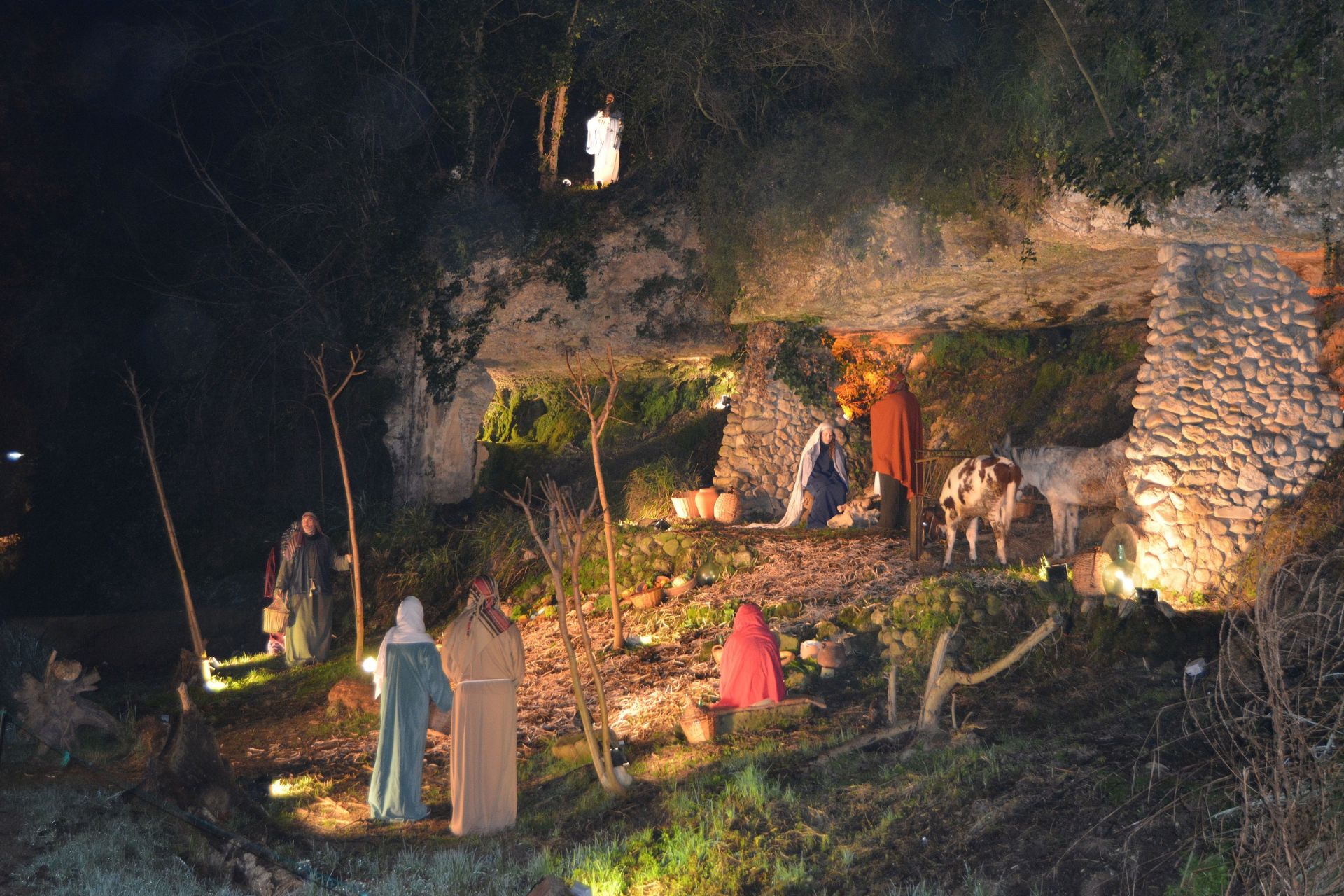
Photo: Living Nativity Scene of Bàscara
If you had to recommend just one thing to someone visiting Catalonia for the first time, what would it be?
If you visit Catalonia at Christmas, I would recommend discovering one of our living nativity scenes.
It's an experience deeply rooted in our region, and we're fortunate to have many different versions. They're celebrated in numerous towns and villages, each offering a unique way to experience this tradition.
I think it's a good way to learn about a very authentic part of our culture.
What corner of Catalonia have you yet to discover?
I have been lucky enough to travel through a good part of Catalonia and get to know many places, but I still have Cerdanya to discover more in depth.
It's an area I'd like to visit more thoroughly, especially to see some of its living nativity scenes. There are always new places to discover and traditions worth experiencing firsthand.
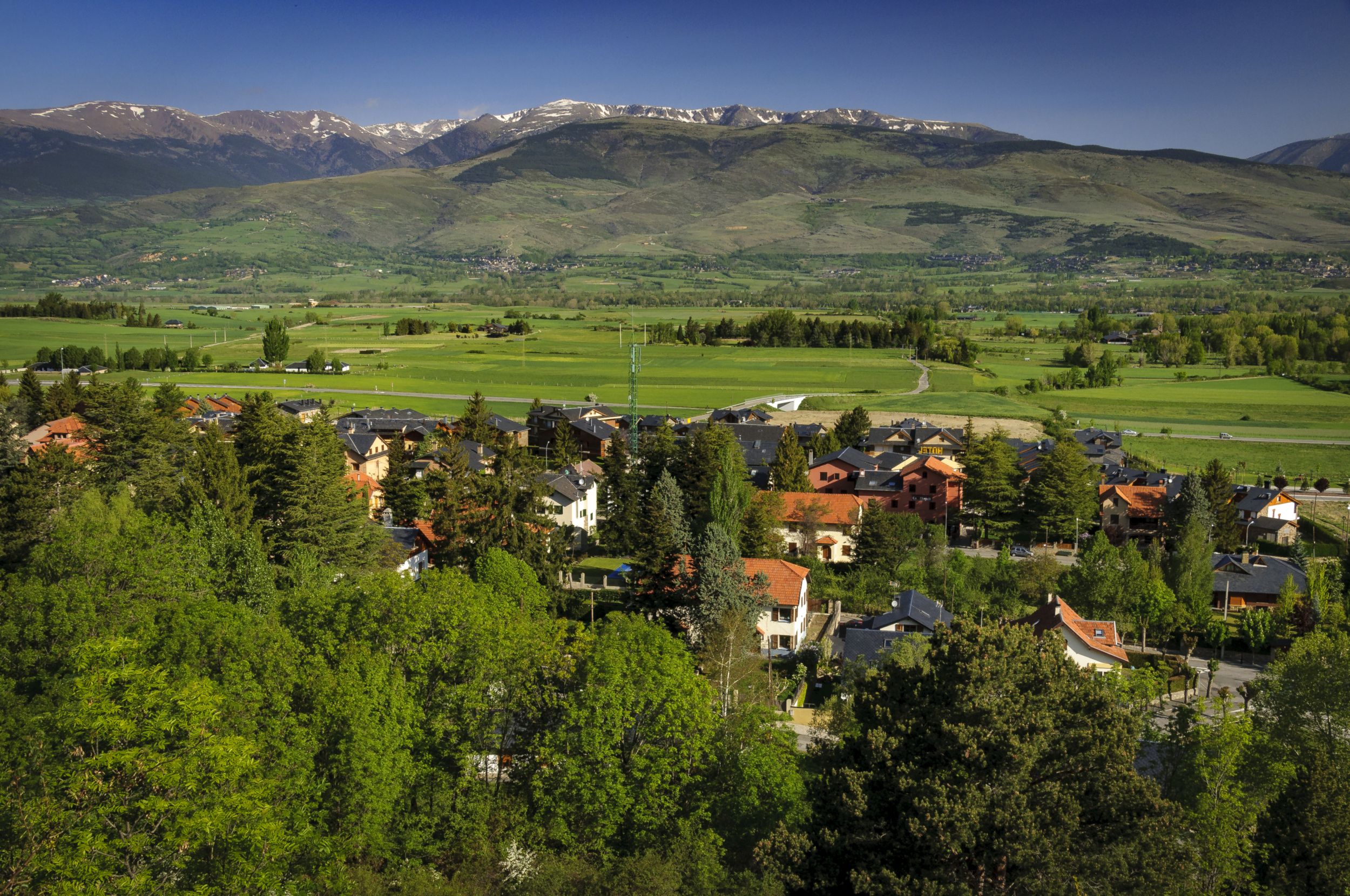
Photo: Alp (Cerdanya) | Sergi Boixader
What is the importance of living nativity scenes in preserving Catalan folk traditions?
Sometimes it may seem that living nativity scenes are simply a Christmas representation, but in reality they fulfill a much broader purpose: keeping our popular traditions alive.
We're talking about a tradition that, in some towns, has more than fifty or sixty years of history. And, if we think about the nativity scenes set up in homes, their roots are much older still.
What do the living nativity scenes of Catalonia have in common, and what makes them different?
They all share the desire to represent the same Christmas tradition, but each one has its own personality.
The setting where they are held, the way they are organized, and the type of representation make them different. There are static nativity scenes, with moving scenes, with dialogues... And precisely this diversity is one of their greatest strengths.
That's why I always say it's worth visiting more than one. Although they share the same essence, each one offers a different experience.
What future would you like for the living nativity scenes of Catalonia?
Above all, I would like to see more generational change.
It is important that young people get involved so that these performances can continue and thrive for another fifty, sixty, or seventy years.
These are traditions that need people willing to dedicate time, effort, and enthusiasm to them. And I believe it's well worth continuing to work to ensure they aren't lost.
What would you say to that seven-year-old girl who participated for the first time in the living nativity scene in Bàscara?
I would explain to him that he was beginning to be part of something that at the time seemed very small, but that over time it would become very big.
When I started, it was only the second year the live nativity scene was being done, and very young people were participating. Nobody could have imagined how far that initiative would go.
Looking back today, I think all the effort we put in was well worth it. And I would tell that little girl to keep going, because what started as a small tradition would end up becoming something very important.
Assumpció Garangou reveals a Catalonia that, every Christmas, revives the memory of its ancestors and transforms squares, streets, and landscapes into vibrant settings. A Catalonia where traditions are kept alive thanks to people who dedicate their time, effort, and love to them.
From childhood memories in Bàscara to the excitement of a giant nativity scene in Montserrat, their story reminds us that cultural heritage encompasses both what we have received and what we choose to pass on.
Because behind every living nativity scene there is much more than a Christmas performance. There is a community that remembers, generations that share, and a tradition that remains alive thanks to all the people who make it possible.
Published by Youssef Haouriqui on 9 of november of 2026 at 09:24h
Events
November 10, World Science Day for Peace and Development
10 NovemberÀnima - Andorran Puppet Festival in Encamp
10 NovemberSant Menna, Sentmenat Winter Festival
From 10 to 11 NovemberWinter Festival in Vilallonga del Camp
From 5 to 11 NovemberSant Martí Festival in Altafulla
From 10 to 15 NovemberCurtÀneu - Valls d'Àneu International Short Film Exhibition
From 7 to 15 NovemberSant Martí Festival in Arenys de Munt
From 5 to 15 November
Experiences





 Sustainable turism
 Biosphere