


Carles Farràs: 30 years building the Sagrada Família
Carles Farràs, a building engineer from the Berguedà region, has been working at the Sagrada Familia for 30 years. During this time, he has held various positions, currently serving as head of supply and certification management. Among his tasks is one as unique as it is essential: selecting and acquiring the most suitable stones from around the world to continue building the Basilica.
Working every day on one of the most iconic architectural landmarks on the planet hasn't, however, made him lose touch with the land. Talking to him is talking about mountains, sea, local culture, and heritage.
A Catalonia that walks, celebrates, and builds
What is your favorite spot in Catalonia?
There are many. We are lucky to live in a very diverse country full of spectacular places.
I'm from Berguedà, and in my region I could name many: it's a mountainous area that's very busy due to its proximity to the metropolitan area.
Beyond Berguedà, I really like the Empordà: Calella de Palafrugell, Sant Martí d'Empúries in L'Escala, and Cadaqués are places I frequent often. And for those who enjoy walking, I recommend the coastal paths—I've walked them all, from Portbou to Blanes.
Is there any place in Catalonia that brings back childhood memories?
Yes, two very special places.
One is Torredembarra, in the Tarragonès region, where I have family and where I spent a good part of the summers. The other is Borredà, in the Berguedà region, where I went to summer camp for many years.
I am lucky that I like both the beach and the mountains and in Catalonia we have it all.
What Catalan experience or tradition do you think everyone should experience at least once?
Without a doubt, the Patum of Berga. Aside from being a Patum participant, it's a festival that leaves no one indifferent. We Berga residents carry it in our DNA, and we experience each stage of life differently.
Since 2005 it has been an Intangible Cultural Heritage of Humanity by UNESCO.
And from an architectural point of view?
The Sagrada Familia, without a doubt.
We are fortunate that a brilliant architect like Antoni Gaudí lived in our city and was able to dedicate 43 years of his life to the project. The result is evident: one of the great architectural wonders of the world, with nearly 5 million visitors annually.
I would also generally highlight all the Romanesque and modernist heritage that we have in Catalonia.
What corner of Catalonia have you yet to discover?
There are surely many, because we often repeat the usual places.
To name one specifically: Besiberri Nord. It's the only 3,000-meter peak in Catalonia that I haven't climbed yet. I hope to be able to summit it soon.
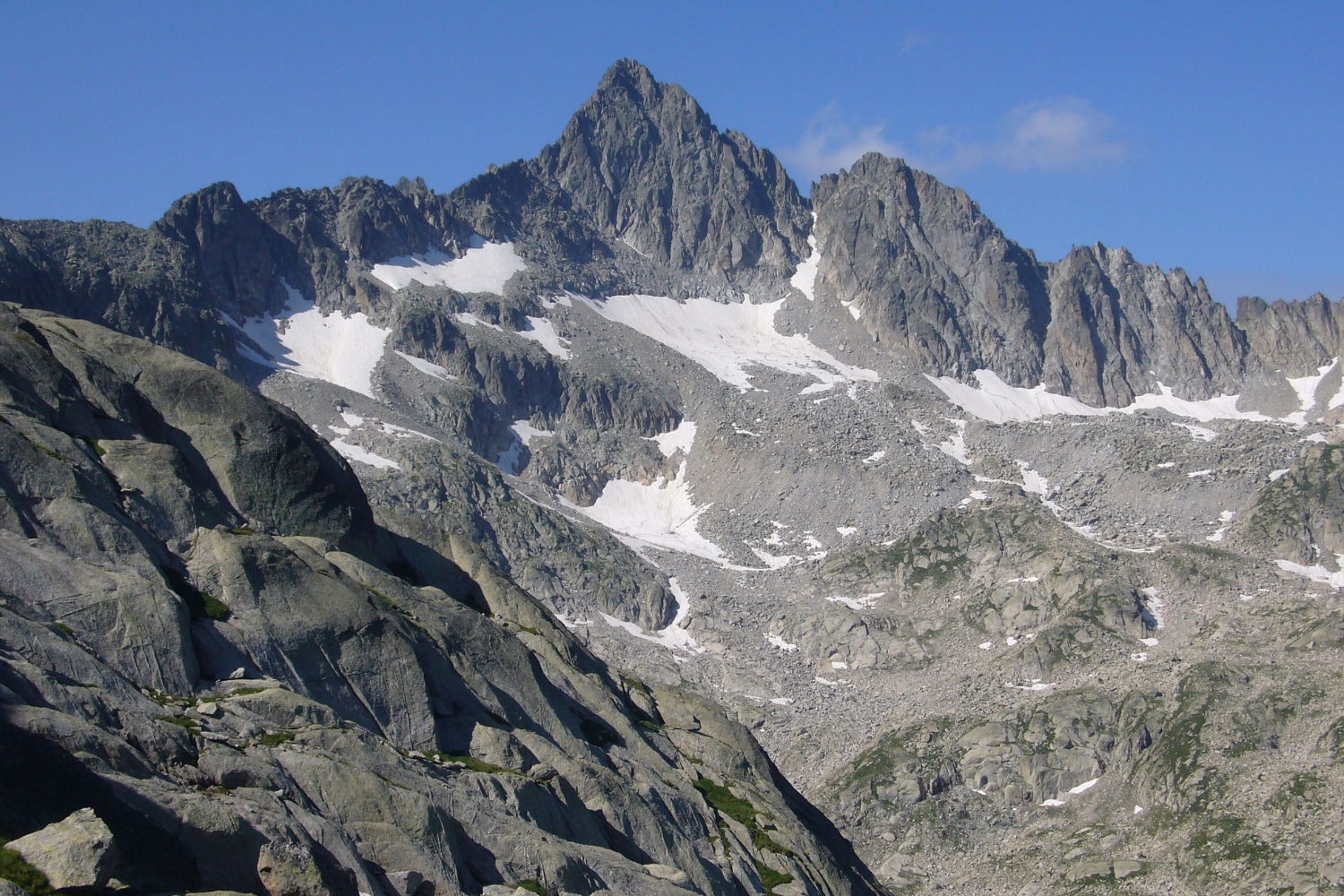
Besiberri Nord, in the Aigüestortes National Park, with an altitude of 3015 meters, is one of the most emblematic peaks of the Catalan Pyrenees.
Tourism and the future of the Sagrada Familia
What are the main challenges arising from mass tourism?
We are a tourist destination due to our location, climate, natural and architectural heritage, gastronomy…
The big challenge is to control overcrowding while respecting the places and not losing quality in the visitor experience.
When the Sagrada Familia is finished, what will change?
I don't think there will be too much difference. Right now, one of the attractions is that it's a work in progress, but when it's finished, it will still be one of the great architectural wonders of the world.
It will continue to be a tourist attraction, but also a place of prayer and pilgrimage for believers from all over.
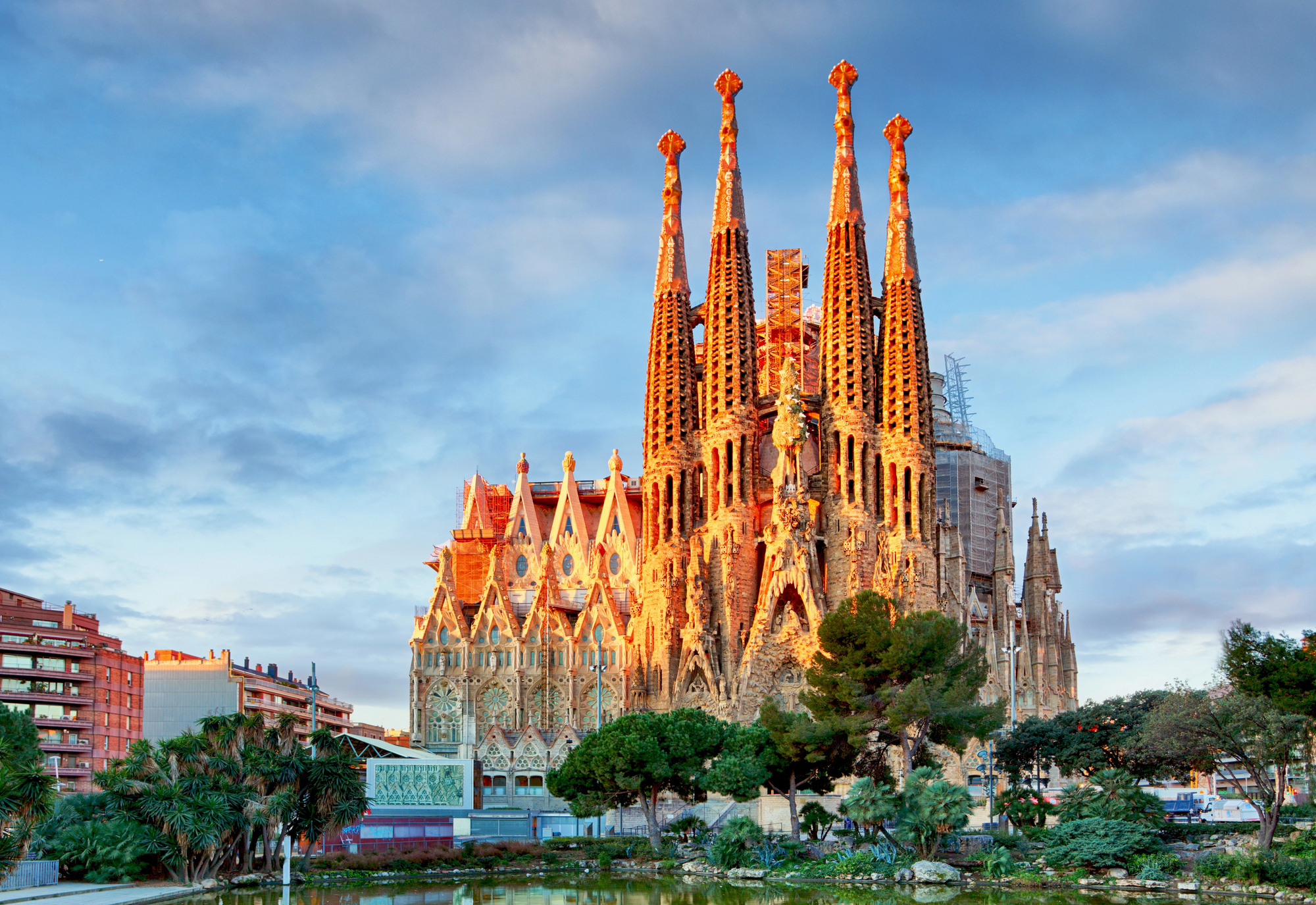
Carles Farràs experiences heritage from within: he builds it, protects it, and thinks about it.
Between the mountains of Berguedà, the coastal paths of Empordà and the stones that shape the Sagrada Família every day, his gaze reminds us that the territory is much more than a landscape: it is a shared responsibility.
Because heritage is not just admired. It's also cared for.
Published by Youssef Haouriqui on 7 of april of 2026 at 08:54h
Events
Forest week in Sant Celoni
16 OctoberAmateur Theatre Showcase in Sant Gregori
16 OctoberEuropean Heritage Days in Collbató
16 OctoberRACC Costa Dorada Rally in Salou
From 16 to 17 OctoberZim Zam Cassà - Cassà de la Selva Urban Art Festival
From 16 to 17 OctoberEmbarrats Fair in Sant Joan de Vilatorrada
From 16 to 18 OctoberFish and Rice Gastronomic Days
From 9 to 18 October
Experiences







 Sustainable turism
 Biosphere