


Viladrau
Viladrau is a municipality in the Osona region, next to the Guilleries and Montseny mountains, which makes its terrain quite rugged.
Its urban center is made up of narrow, small streets where we find the square and the church of San Martín de Viladrau, documented since the end of the 11th century. Since then it has been affected by different reforms, among which the old Romanesque portico has been converted into small chapels or side aisles; the most notable is that of 1769, when the Baroque facade of the temple was modified.
The municipality also boasts several farmhouses and houses dating from the 17th and 18th centuries. Furthermore, Viladrau is considered a popular summer and residential destination, resulting in a number of large villas and villas, many in the Modernist style.
The conglomeration of so many scattered constructions means that there is a wide set of entities that make it up: the Casiques, the Cortes, the Indias, Masvidal, the paitida, the Vernets and the urbanization of the Guilleries.
Viladrau has a vibrant cultural life, perhaps linked to its past, as it has been home to several writers, such as Guerau de Liost, who used local legends to set the scene for his works. Other writers, like Josep Carner and Carles Riba, sought refuge there during the Spanish Civil War.
Viladrau is also known as the birthplace of the famous bandit Joan Sala i Ferrer, Serrallonga. His story is closely linked to Rocaguinarda, and it seems many of his followers were from Viladrau.
Viladrau is also associated with different periods of witchcraft, where the families of the Martí and Rosquelles farmhouses were accused of witchcraft.
Viladrau is rich in its own right, thanks to its incredible natural surroundings. Places like the Coll de Joan pass, the Chestnut Tree of Nine Branches, the Rosquelles mountain range, and the Mirabell hill are just some of the attractions you'll find.
Places of interest
Church of Sant Martí de Viladrau
This Romanesque church, documented since the 11th century, has been renovated several times over the centuries. It is notable for its bell tower and its location in the center of the village, making it one of Viladrau's most emblematic landmarks.
Can Gat Farmhouse
One of the oldest and most representative farmhouses in the area, surrounded by meadows and forests. Its traditional architecture and surroundings make this an ideal place to experience rural life of yesteryear.
Source of the Paitides
The spring is steeped in local legends about the Paitides, magical, fairy-like beings who, according to oral tradition, inhabited the forests of Viladrau. It's a perfect spot to stop amidst nature and enjoy the scenery.
Montseny and its natural surroundings
Viladrau is located in the Montseny Natural Park, a UNESCO Biosphere Reserve. Its trails, forests, and mountains offer a wide variety of excursions for hiking and nature lovers.
Chestnut of the Nou Ramas
It is one of Catalonia's most famous monumental trees, dating back several centuries. It is said to have been a meeting place for witches during the Middle Ages and is surrounded by legends and folklore.
Black Gorge
A spectacular natural spot located near the village. It's a small waterfall surrounded by lush vegetation, also linked to legends of witchcraft and fantastical beings.

Events
Major Festival of the Aplec del Remei in Santa Maria de Palautordera
From 15 to 18 OctoberGuilleries Fair in Sant Hilari Sacalm
From 17 to 18 OctoberGuided tour of Vic on Sundays in October
18 OctoberViladrau Chestnut Fair
From 24 to 25 OctoberAutumn Fair in Montseny and Flabiol Festival in Arbúcies
From 24 to 25 OctoberSant Celoni Forest Fair
From 24 to 25 OctoberThe Witches' Dance of Viladrau
31 OctoberSant Martí festivities in Sant Celoni
From 5 to 9 NovemberMountain Fair in Vic
From 6 to 8 NovemberSecond-Hand and Antiques Market in Tona
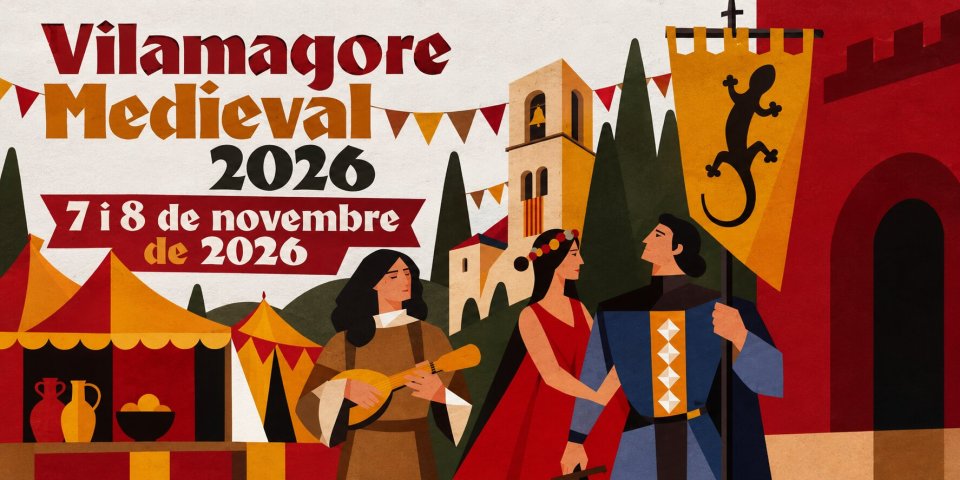
7 NovemberMedieval Vilamagore in Sant Pere de Vilamajor
From 7 to 8 NovemberNearby routes
Grand Tour de Catalunya - Section 5. From Surrealism to Modernism. From Figueres to Barcelona
Circular route through the Cima del Matagalls from the Bordoriol pass
The route of the bandit Serrallonga
Monumental trees of Catalonia
Fairs, cowherd boys, games and theater to celebrate Christmas
Route of the Iberians Ausetans
Condal Pyrenees: a tour of the medieval Catalan identity
The route of the 3 mountains
Tour of the Shelters of the Santa Eugènia de Berga Aerodrome
Route along the PR C-93 Trail of Santa Eugènia de Berga









 Sustainable turism
 Biosphere