


Santa Perpètua de Mogoda
Santa Perpètua de Mogoda is a municipality located in the Vallés Occidental region, in the province of Barcelona. Currently, it has more than 25,000 inhabitants, who reside in the 8 neighborhoods that make up the municipality.
Its history dates back to the Neolithic period, when abundant water and fertile land favored the first human settlements. Since then, Sainte-Perpetua has witnessed transformations and growth over the centuries, and today offers a rich cultural, archaeological, and architectural heritage.
In the heart of the village stands the church, a 12th-century building, around which the town's first streets and farmhouses were formed. Another of the most emblematic buildings is El Vapor, a former 19th-century textile factory, now the headquarters of the Museum of Work and Living Industry (MTIV).
The museum is a space dedicated to the history of labor and industry, where you can discover the evolution of work, from the first objects manufactured by humanity, through the great impact of the Industrial Revolution, to the present day, where the most advanced technologies are increasingly present. The museum combines permanent exhibitions with temporary exhibitions, guided tours, and activities for all audiences, offering a range of opportunities to discover the importance of work in the history of the region.
In addition, the museum has other interesting sites, such as the Soldevila Farm, a dairy factory and modernist residence from the 20th century, and the Romanesque church of Santiga, from the 11th century, surrounded by natural landscapes, ideal for family outings.
The heritage of Santa Perpètua also includes other architectural elements such as the Can Taió Castle, the Roman Oven of Campo de Ventura del Oller, theMogoda Castle and the Mogoda Ice Well, among other monuments that attest to the historical wealth of the area.
Furthermore, the municipality has been awarded the Vilesfloridas designation for its distinctive natural and scenic beauty. Central Park is a prime example, as it is one of the largest public spaces in the region, connecting nature and the city. This park offers areas for leisure, relaxation, and biodiversity, highlighting its naturalized irrigation pond, which has become a unique habitat for wildlife and a draw for visitors.
Santa Perpètua de Mogoda has not only grown in population but also in quality. This growth has been possible thanks to the new citizens who have brought new ideas and realities, enriching a municipality with more than 10,000 years of history.
If you'd like to learn about the history surrounding Saint Perpetua de Mogoda firsthand, don't hesitate to visit us. For more information, please visit the following links:
- Museum of Work and Living Industry (MTIV): https://www.mtiv.cat/ca/.
- Santa Perpètua de Mogoda Tourism: https://www.mtiv.cat/app/.
- Florida Villas. Santa Perpètua de Mogoda: https://vilesflorides.cat/santa-perpetua-de-mogoda/.
Experiences

Events
Modernist Conferences in la Garriga
From 16 to 18 OctoberCatalonia Industrial Tourism Week 2026
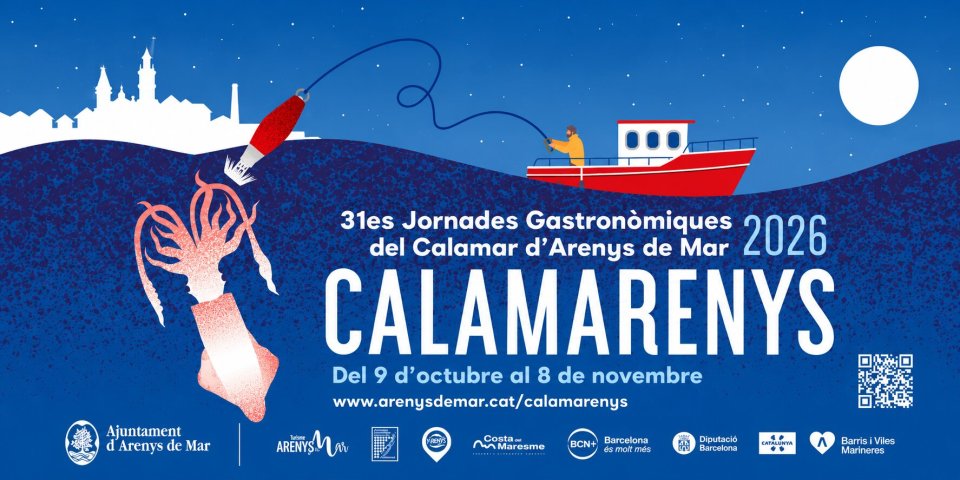
From 16 to 25 October'La Moguda Gastronòmica' in Santa Perpètua de Mogoda
From 9 October to 8 NovemberPanoràmic Festival in Granollers, Barcelona, Terrassa and Vic
From 15 October to 27 DecemberEfímera in Santa Perpètua de Mogoda
17 OctoberThe Castañera in La Pedrera!
17 OctoberAutumn Concert Series in Santa Perpètua de Mogoda
18 OctoberOpen day at Lavaderos del Masnou
18 OctoberGuided tours of the Cresta del Masnou mine
18 OctoberTransmaresme Bike
24 OctoberSEASONAL THEATER in Santa Perpetua de Mogoda
25 OctoberNearby routes
Route of the hidden Churches of Baix Vallès
Route in the middle of Gallecs
Bicycle axis in Gallecs
The path of the Baleclers of Gallecs in Mollet del Vallés
The path of Sant Valerià in Mollet del Vallés
Mediterranean Trail
Route for adventure parks in Catalonia
A tour for golf players in Catalonia
Maritime route around Montgat
Pompeu Fabra Literary Route through Badalona
News
Iron architecture: the light and steam of industrial Catalonia
In the 19th century, the Industrial Revolution not only changed the way people worked and lived, but also profoundly transformed architecture. The arrival of new materials, such as cast iron, wrought iron, and glass, opened up possibilities…
Gothic Architecture: The light and height of medieval Catalonia
Gothic architecture marks a turning point in the history of Catalonia. It was the style that transformed cities, places of worship, and the way people built collectively. A style that changed not only the stone itself, but also the way people…








 Sustainable turism
 Biosphere