


Forès
Located in the Conca de Barberà region, Forès is a small town with a special charm, known as the viewpoint of the Conca for the spectacular views it offers over the surrounding area. Perched on a hill, this village combines scenery, history, and tranquility in a privileged setting.
Its compact center, with narrow streets and stone houses, preserves the essence of medieval villages in inland Catalonia. Forès is an ideal destination for those seeking tranquility, nature, and authenticity.
A natural setting with unique views
The town is situated on a high point, offering spectacular panoramic views over the Conca de Barberà, La Segarra, and Urgell regions. The landscape is characterized by cultivated fields, primarily of cereals, vineyards, and almond groves, which change color with the seasons.
This open and bright environment makes Forès an ideal place for walks, photography and contemplation of the landscape.
Medieval origins and historical heritage
Forès has medieval origins that are still reflected in its urban structure. The town developed around its old castle, of which remains are still preserved and integrated into the town center.
The passage of time has left a simple but authentic heritage, with buildings that tell the story of a people linked to the land and rural life.
Tranquility and rural essence
With its small population, Forès maintains a peaceful and welcoming atmosphere. It's the perfect place to disconnect from the fast pace of life and reconnect with nature and tranquility.
The municipality is part of a territory where tourism is experienced in a peaceful way, with proposals linked to the landscape, culture and local gastronomy.
Places of interest
The Plan Raft
A former water storage facility located on the outskirts of the town. This space has been key to the municipality's traditional agricultural activity. Today, it is a peaceful spot that offers insight into water management in rural areas.
Cemetery - Discoidal Stelae
The Forès cemetery preserves a unique collection of discoidal stelae, funerary elements of great historical value. These artifacts, decorated with symbols and engravings, bear witness to medieval traditions. It is a space that combines heritage, history, and local identity.
The Colomer
An old building used for raising pigeons, linked to traditional rural life. These types of buildings were common in agricultural areas and served as a source of food. It is a good example of the region's vernacular architecture.
Wine Bucket
Traditional structure used for wine production and storage. A testament to the municipality's winemaking past and the importance of vineyards in the area. It allows visitors to discover ancient winemaking methods.
The Crosses of the Term
Stone crosses located at the entrances to the municipality marked its boundaries. They had a symbolic and protective function, as well as a religious one. They form part of the historical and spiritual heritage of Forès.
Church of San Miguel de Forès
The parish church of the municipality, dedicated to Saint Michael, stands at the heart of the old town. Of ancient origin with later renovations, it is one of the town's most emblematic buildings. Its presence marks the center of local life.
Sant Miquel fountain and washhouse
A traditional space linked to the water supply and daily life of the village. The washhouse was a social meeting point, especially for the women of the municipality. Today it is a heritage element that recalls the way of life of bygone times.
The Forès viewpoint
One of the town's main attractions, known for its spectacular panoramic views over the Conca de Barberà region and neighboring areas. It's an ideal spot to enjoy the scenery and the sunset. A must-see on any visit.
Wind farms
The landscape of Forès is also marked by the presence of wind farms, which coexist with the natural environment. These elements reflect the commitment to renewable energy in the region. They offer a contemporary image of the rural landscape.
The laundry room downstairs
An old washhouse located in the lower part of the village, linked to traditional daily tasks. It is a simple space, yet steeped in history. It forms part of the ethnological heritage of Forès.
Events
Catalonia Industrial Tourism Week 2026
From 16 to 25 OctoberGuided tours of the old town of Verdú
17 OctoberAntiques and Arts Market of Tàrrega
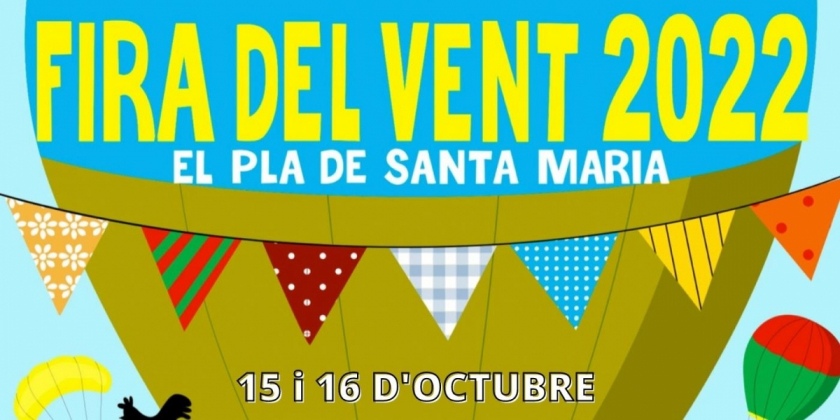
17 OctoberVent Fair of El Pla de Santa Maria
From 17 to 18 OctoberLes Garrigues Amateur Comic Theatre Showcase
From 17 to 18 OctoberMemefest - Western Humor Festival in Tàrrega
From 19 to 24 OctoberChristmas and Three Kings Day celebrations in Montblanc
From 5 December to 13 January 2027Living nativity scene of l'Espluga de Francolí
From 27 to 29 DecemberNearby routes
Cistercian Route: The Poblet Monastery, history and present
Winter road in Conesa
Literary route in the Modern Catalonia
Return to Vallfogona de Riucorb
Way of the Hanged in Vallfogona de Riucorb
Fountain of en Ballart and San Pedro de los Bigatà
The Solà del Seniol and the Ballart fountain in Vallfogona de Riucorb
Route of the mills in Santa Coloma de Queralt
Grand Tour de Catalunya - Section 2. Meeting history: from Tarragona to Lleida
Cistercian Route: gastronomy in Vallbona de les Monges
News








 Sustainable turism
 Biosphere