


El Masnou
Located between the Mediterranean Sea and the DO Alella vineyards, twenty minutes from Barcelona, El Masnou will captivate you with its beautiful beaches, the rich modernist architectural heritage and the wide gastronomic offer.
El Masnou is a town that has grown on the edge of the coast, which has marked its close relationship with the sea, from the primitive settlers of the Roman town of Cal Ros de las Cabras, through the glorious past of the merchant navy of the 19th century, to the most recent awards achieved by the Olympic sailors trained at the Nautical Club.
Walking along the sea, getting to know the corners of the old town, where you can still breathe the history of the town, and you can taste a good meal are some of the experiences that you can enjoy if you come to El Masnou.
El Masnou is characterized by the Mediterranean climate, with hot summers and mild winters, which makes it an attractive destination to visit throughout the year. The rains, quite irregular, are not very abundant and are concentrated mainly in autumn and spring.
Signposted route
Itinerary "El Masnou, land of the sea"
Welcome to an exciting and enriching walk through the streets, buildings and most surprising corners of the town of El Masnou (Maresme).
Under the motto "El Masnou, land of the sea", an ambitious project has been carried out to recover local heritage and promote tourism. Through the itinerary that we propose you will discover modernist buildings, a very unique Indian house, legends and entrepreneurial proposals, as well as a lot of experiences that have shaped El Masnou as it is.
How to get
The town of El Masnou is located in the south of the Maresme region, between Premià de Mar and Montgat. The municipality is very well connected (only 18.5 km from Barcelona), both by public transport and by road.
With own vehicle
By the Maresme highway, the C-32 (exit 86), or by the N-II highway.
By train
RENFE, line R1, Barcelona-Mataró, every 10 minutes on weekdays and every 15 minutes on Saturdays, Sundays and holidays. Stations to El Masnou and Ocata.
By bus
C10 Mataró-Barcelona (by N-II), Sarbus Group: 937 98 11 00.
night bus
N80 Barcelona-Mataró (Barcelona, from 1:15 a.m. to 4:15 a.m., and El Masnou, from 12:31 a.m. to 3:31 a.m.). N81 Barcelona -Vilassar de Arriba (from Barcelona, from 0.45 a.m. to 3.45 a.m., and El Masnou, from 0 a.m. to 3 a.m.).
With nautical transport
Marina 41º 28'30" N / 02º 18'47" E
Airports
Barcelona-El Prat Airport (35 km). Girona Airport (75 km).
Come to El Masnou!


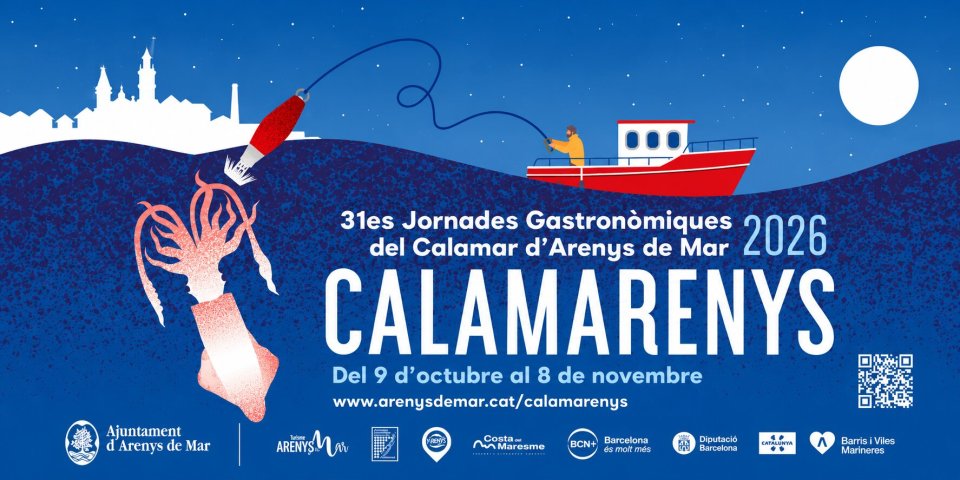
Events
Panoràmic Festival in Granollers, Barcelona, Terrassa and Vic
From 15 October to 27 DecemberFestival 42 - Barcelona Fantasy Festival
From 4 to 8 NovemberMost, International Wine Film Festival in Penedès and Priorat
From 5 to 15 NovemberMIRA Digital Arts Festival
From 6 to 7 NovemberMeet Your Coffee Awards Barcelona 2026
From 6 to 8 NovemberBadalaboca! in Palau-solità i Plegamans
From 6 to 8 NovemberAlfaro Year in Sant Andreu de Llavaneres
From 6 November to 31 January 2027Chestnut tree and Halloween in Lliçà d'Amunt
7 NovemberNight of terror in Lliçà d'Amunt
7 NovemberVilanova Batega! Popular Culture Day - Vilanova del Vallès
8 NovemberAutumn Concert Series in Santa Perpètua de Mogoda
8 NovemberNearby routes
Know El Masnou, land of the sea
Maritime route around Montgat
Squirrel route in Premià de Dalt
Pompeu Fabra Literary Route through Badalona
Route of the hidden Churches of Baix Vallès
The path of the Baleclers of Gallecs in Mollet del Vallés
The path of Sant Valerià in Mollet del Vallés
Route in the middle of Gallecs
Bicycle axis in Gallecs
Following the work of Puig i Cadafalch along the coast
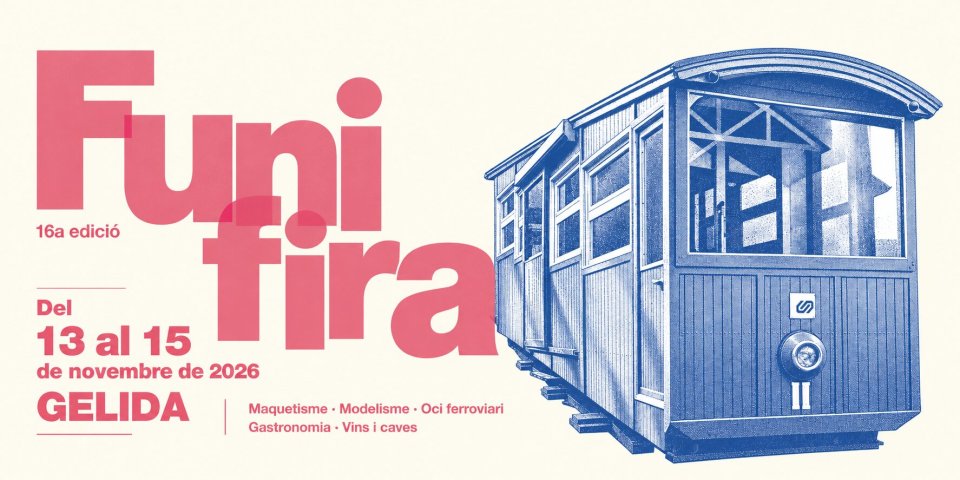
News
Iron architecture: the light and steam of industrial Catalonia
In the 19th century, the Industrial Revolution not only changed the way people worked and lived, but also profoundly transformed architecture. The arrival of new materials, such as cast iron, wrought iron, and glass, opened up possibilities…
Gothic Architecture: The light and height of medieval Catalonia
Gothic architecture marks a turning point in the history of Catalonia. It was the style that transformed cities, places of worship, and the way people built collectively. A style that changed not only the stone itself, but also the way people…







 Sustainable turism
 Biosphere