


Parc Samà
Municipalities
Parc Samà, 14 hectares long, is the modernist, historical and botanical garden of Cambrils, Costa Dorada, declared a Cultural Asset of National Interest.
It was promoted by Salvador Samà i Torrens, Marquis of Marianao - heir to a Catalan family living in Cuba, who in 1881 commissioned the design to Josep Fontserè (author of the Ciudadela Park in Barcelona) and helped by Antoni Gaudí, thus recovering the exotic and colonial atmosphere of colonial Cuba. It is considered one of the best examples of romantic gardening of the 19th century.
In Samà Park…
You will experience emotions in contact with nature: the sound of water, aromas of lavender, mandarin, eucalyptus and pine, all shades of green. You will discover collections of fauna and botany and with your visit you will support conservation projects for pheasants, psittacines, fallow deer, turtles and the omnipresent peacocks that move freely through the garden. Samà Park is lakes, waterfalls and bridges, forest, orchard and garden... and you can get lost in the Fontcuberta greenhouse.
You will learn the history of the Marquisate of Marianao: memories of another time and place. Parc Samà is a round trip, emigration and return. Make the Americas. Come back and leave the legacy. Other trees, other birds, other dresses and colors, other arts... Adventure, culture and wealth.
You will discover the relationship between modernism and nature with the help of the master Josep Fontseré and his disciple Antoni Gaudí: a place from which to understand the exceptionality and inspiration of the work of this universal Catalan. Grottoes, walkways and benches that evoke rocks, sea snails and branches... It is the beginning of modernism and Antoni Gaudí's profession.
You will be able to taste the Yzaguirre vermouth in the old winery of the park recovered as an experiential museum of the world of vermouth and you will also be able to discover the Mas del Miu, also recovered and converted into an oil museum.
And above all, you will relax in a unique natural environment that continues to preserve all its magic and authenticity that is difficult to find in today's world.


Nearby routes
Oil cycling route in Mont-roig del Camp
Cambrils, Mont-roig del Camp, Montbrió del Camp, Reus, Riudoms, Vilanova d'Escornalbou, Vinyols i els Arcs
This route runs through seven oil-producing towns; Reus, Riudoms, Montbrió del Camp, Vilanova d'Escornalbou, Mont-roig del Camp, Cambrils and Arcos. Take the bike we started pedaling!
From south to north along the Costa Daurada by electric car
Cambrils, L'Ametlla de Mar, Mont-roig del Camp, Salou, Tarragona
This route is designed to be done by electric vehicle, although it can be done with any other car. Along the route we will suggest municipalities that have charging points and places of interest to visit while we charge batteries. Electric…
Sports tourist destinations of Catalonia
Amposta, Banyoles, Blanes, Calella, Cambrils, Castelldefels, Castelló d'Empúries, Girona, L'Hospitalet de Llobregat, La Seu d'Urgell, Lloret de Mar, Naut Aran (Salardú), Salou, Santa Susanna, Sort
Catalonia has a strong sporting tradition, which remains in force today, because each year there are over 40 international championships. The organization of these championships, among which we can highlight the celebration of the 1992 Olympics…
Grand Tour de Catalunya - Section 2. Meeting history: from Tarragona to Lleida
Bot, Cambrils, Capafonts, Cornudella de Montsant, Deltebre, El Perelló, El Pinell de Brai, Falset, Gandesa, Guimerà, L'Ametlla de Mar, L'Espluga de Francolí, La Sénia, Les Borges Blanques, Lleida, Miravet, Montblanc, Salou, Tarragona, Tortosa, Ulldecona, Vallbona de les Monges
I want to do this route by electric vehicle! This route is designed to be done by electric vehicle, although it can be done with any other car. Along the route we will suggest municipalities that have charging points and places of interest…
Route through the Baix Camp
Alforja, Arbolí, Botarell, Capafonts, Colldejou, L'Argentera, La Febró, Prades, Pratdip, Riudecols, Vilanova d'Escornalbou
The Baix Camp hides four small countries side by side, four well differentiated landscapes with a thousand and one mountains that constitute a natural amphitheater overlooking the sea: the rocky Mediterranean mountain of the Sierra de Llaberia,…
3 routes through some of the most beautiful towns in Tarragona
L'Espluga de Francolí, Miravet, Pratdip, Riudoms, Siurana, Tivissa
With a privileged geographical location, Tarragona became a point of passage and settlement of different civilizations. In addition, it has an invaluable historical legacy, embodied in the unique towns that make up the province. Delving into…
Events
Gastronomic rice days in Mont-roig del Camp and Miami Platja
From 9 to 25 OctoberSanta Ursula Fair in Valls
From 16 to 25 OctoberInternational Day of Rural Women race and walk in Riudecanyes
17 OctoberDay "No Jubilem la Memòria" in La Figuera
From 17 to 18 OctoberFICVI - Vila-seca International Short Film Festival
From 17 to 25 OctoberFree guided tours of the Vila-seca Canal Mayor
18 OctoberTasta Salou
22 October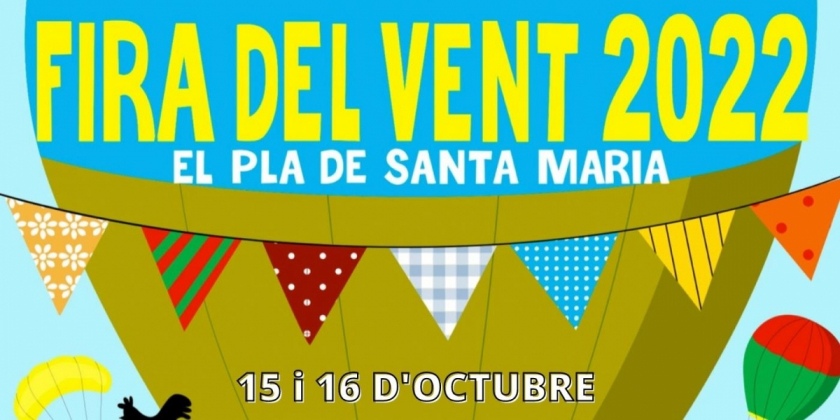
News
Gothic Architecture: The light and height of medieval Catalonia
Gothic architecture marks a turning point in the history of Catalonia. It was the style that transformed cities, places of worship, and the way people built collectively. A style that changed not only the stone itself, but also the way people…
Iron architecture: the light and steam of industrial Catalonia
In the 19th century, the Industrial Revolution not only changed the way people worked and lived, but also profoundly transformed architecture. The arrival of new materials, such as cast iron, wrought iron, and glass, opened up possibilities…








 Sustainable turism
 Biosphere