


Museu Eròtic de Barcelona
Municipalities
The Barcelona Erotic Museum (MEB), located on La Rambla, opposite the famous Boquería Market, represents a unique cultural space in Spain, as it is the first and only museum dedicated to erotic art and culture. Its privileged location, one of the busiest and most touristic areas of the city, gives it great visibility and easy access to visitors from all backgrounds. It has its own collection of more than 800 original pieces and offers a unique experience that combines artistic beauty with an educational and anthropological approach. A visit to the MEB invites you to rediscover eroticism as a legitimate and transversal cultural expression in the history of humanity.
History and collection
The collection of the Erotic Museum of Barcelona covers diverse eras and cultures:
- Antiquity and Paleolithic: The tour begins with objects and reproductions from remote periods such as the Paleolithic and the classical civilizations of Egypt, Greece and Rome, where eroticism was already present in ritual, religious and everyday expressions.
- East (China and Japan): The eastern section presents prints and sculptures typical of the shunga style, which reflect the sophistication and naturalness with which these cultures have represented sexuality.
- India: A collection of stone and wood carvings depicts scenes from the Kamasutra, the classic Hindu love manual that combines spirituality, pleasure and knowledge.
- Europe (19th-20th centuries): You can admire illustrations, photographs and engravings by masters such as Klimt, Goya, Rubens and Boucher, which capture eroticism from various aesthetics and cultural moments.
Of particular note is the recently inaugurated room dedicated to Gustav Klimt, as well as the latest addition of the engraving "The Judgment of Paris" by Salvador Dalí.
Classical and modern artists
The MEB places special emphasis on showcasing the connection between eroticism and the avant-garde movements of the 19th and 20th centuries through works and reproductions by such prominent artists as Salvador Dalí, Pablo Picasso, and Gustav Klimt. Each of these artists, from their own unique perspective, explored sexuality as a form of artistic and philosophical expression. Dalí is featured in highly symbolic pieces such as Venus and Love and The Seven Arts, which evoke desire, passion, and the duality between pleasure and the subconscious.
Picasso offers a more visceral and instinctive vision, while Klimt represents feminine sensuality with a refined and decorative aesthetic. These works, accompanied by contextual explanations, allow the visitor to delve into an artistic interpretation of the body and desire, connecting past and modernity.
Diversity and LGBT manifestation
One of the museum's galleries is entirely dedicated to sexual and gender diversity, serving as a space for recognition and visibility for the LGBT community. In this gallery, you can see works of Homo art, as well as documents and historical references related to the first LGBT demonstration held in Spain, specifically in Barcelona, in 1977.
This museum initiative seeks to vindicate sexual rights and identities in all their diversity, and does so from a cultural perspective that links erotic freedom with civil rights. The museum, therefore, not only exhibits but also educates and promotes dialogue on issues that still generate social debate today.
Visitor experience and service
The MEB offers a comprehensive and adaptable visit to suit a variety of interests.
- Hours: Open daily from 10am to midnight, allowing flexibility for those who want to visit in the morning or those who prefer an evening experience.
- Prices: General admission is between €13 and €15, with reduced rates for students, seniors, and Carnet Jove holders. Children under 8 are admitted free when accompanied.
- Visit mode: You can visit independently with information panels or with the audio guide available in several languages. Dramatized tours are also available, with actors portraying iconic figures such as Marilyn Monroe, adding a theatrical and experiential touch to the visit.
- Unique spaces: One of the highlights is the “Erotic Garden” Auditorium, an outdoor garden that serves as a stage for concerts, recitals, and erotic-themed activities, in an intimate and relaxing atmosphere.
Recommendations for the visit
To fully enjoy your visit to the Barcelona Erotic Museum, it's recommended to avoid peak hours, especially between 5 p.m. and 8 p.m., and opt for early morning or the last slot before closing time. Purchasing your ticket online is highly recommended: not only do you avoid lines, but you'll often get 5% discounts and other benefits such as a free audio guide or included souvenirs. The visit is especially attractive for couples, but also suitable for open-minded and respectful families, although please note that minors must be admitted with parental responsibility.
Nearby routes
Catalonia before 1714
Barcelona, Vic
This route femTurisme.cat we go into the historical background of the War of Succession, the reactions caused and institutions that Catalonia had at the time. This will allow us to know one of the most important buildings are in the Catalan…
The charm of the facades of Barcelona
Barcelona
On this occasion I propose a different route. It will not be a conventional route that can be visited to complete the items we'll mention. We will move around the center of Barcelona and we will in two directions. north and south of the Plaza…
Grand Tour de Catalunya - Section 5. From Surrealism to Modernism. From Figueres to Barcelona
Arenys de Mar, Barcelona, Begur, Blanes, Cadaqués, Caldes de Malavella, Canet de Mar, Figueres, Girona, L'Escala, Lloret de Mar, Manlleu, Mataró, Palafrugell, Palamós, Pals, Rupit i Pruit, Tossa de Mar, Vic, Viladrau
I want to do this route by electric vehicle! This route is designed to be done by electric vehicle, although it can be done with any other car. Along the route we will suggest municipalities that have charging points and places of interest…
Fairs, cowherd boys, games and theater to celebrate Christmas
Barcelona, Calaf, Corbera de Llobregat, Espinelves, Tona, Vic, Vilafranca del Penedès
With December comes the cold and the desire to be at home near the fireplace or heating, but these dates allow us to discover Christmas traditions that are celebrated in Catalonia. Surely one or the other will fall near your home for a weekend…
The Vigatans' Covenant
Barcelona, Capçanes, La Seu d'Urgell, Les Masies de Roda, Manlleu, Perafita, Roda de Ter, Sant Hilari Sacalm, Santa Eulàlia de Riuprimer, Sort, Torrelles de Foix, Vic
After Felipe V in 1702 are proclaimed as king of the Spanish monarchy and disagreeing various territories, including Catalonia, England, Holland, Portugal and the Austrian Empire, in 1703 these proclaimed Carlos III of Austria as monarch. In…
Barcelona 1939. The dark night in Barcelona
Barcelona
The January 26, 1939 about 90,000 soldiers of Franco's army entered Barcelona and occupied the city, exhausted and defeated after three years of war, with the explicit order of 'beat and destroy the enemy. While the national troops took possession…
Events
'La Moguda Gastronòmica' in Santa Perpètua de Mogoda
From 9 October to 8 NovemberPanoràmic Festival in Granollers, Barcelona, Terrassa and Vic
From 15 October to 27 DecemberAutumn of Cooking and Mushrooms in Terrassa
From 30 October to 22 NovemberThe Castañera in La Pedrera!
31 OctoberChestnut tree and Halloween in Lliçà d'Amunt
From 31 October to 1 NovemberFestival 42 - Barcelona Fantasy Festival
From 4 to 8 NovemberMost, International Wine Film Festival in Penedès and Priorat
From 5 to 15 November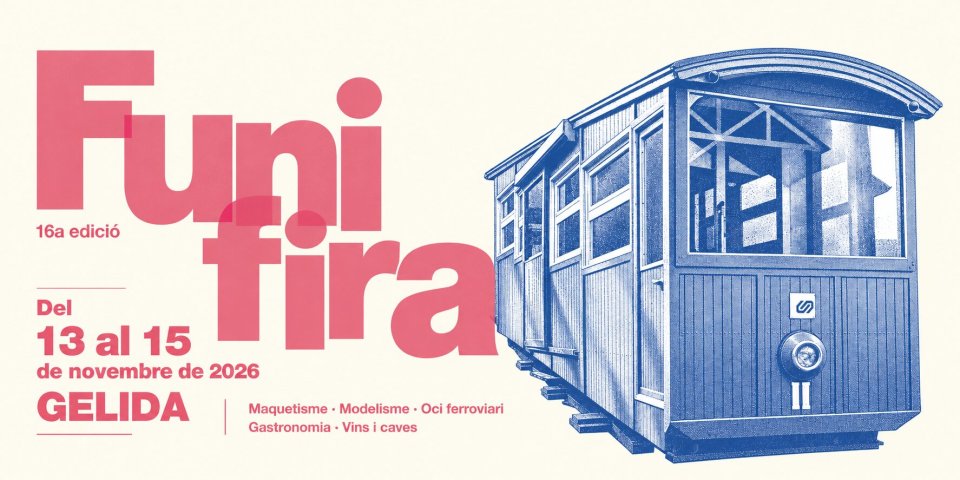
News
Gothic Architecture: The light and height of medieval Catalonia
Gothic architecture marks a turning point in the history of Catalonia. It was the style that transformed cities, places of worship, and the way people built collectively. A style that changed not only the stone itself, but also the way people…
Iron architecture: the light and steam of industrial Catalonia
In the 19th century, the Industrial Revolution not only changed the way people worked and lived, but also profoundly transformed architecture. The arrival of new materials, such as cast iron, wrought iron, and glass, opened up possibilities…








 Sustainable turism
 Biosphere